Employee Experience Software in 2026: What It Is and Why It Matters
Employee experience software helps a company understand and improve how people feel and work across their whole time at the organization. In simple words, an employee experience platform pulls together signals from surveys, service requests, performance data, IT tools, and daily communication, then shows where things are going well and where friction appears. Many tools do this through pulse surveys, feedback widgets, helpdesk interfaces, recognition feeds, and simple dashboards for HR and leaders.
The goal is similar: give a clearer picture of what it feels like to work inside the company, and provide concrete ways to improve it. Analysts describe modern EX platforms as systems that combine measurement (surveys, sentiment, usage data) with actions (guides, nudges, automations, and manager tools) in one place.
This matters in 2026 because employee expectations have shifted. People want fair pay and stability, but also flexibility, good tools, and a sense that their feedback leads to change. At the same time, more work happens in digital channels, so digital employee experience tools now track how laptops, apps, and networks affect day-to-day work. For many companies, EX is also tied to other systems such as best performance management software and change management tools, so feedback loops and communication stay aligned during restructures, new tool rollouts, or policy changes.
Because of this, buyers look not only at feel-good features, but also at other tools to measure employee experience drivers like workload, recognition, manager support, and digital friction. Some teams also focus on finding the best software for remote employee experience 2025, especially when most collaboration already happens through screens.
22 Best Employee Experience Platforms and Tools in 2026
I’ve reviewed a wide range of employee experience tools that help with communication, feedback, recognition, digital experience, and service delivery. These are platforms that often show up in lists of best employee experience platforms 2025 across analyst and buyer guides.
To keep things clear and neutral, I’m listing all 22 employee experience software solutions in alphabetical order.

Applaud
Quick Overview:
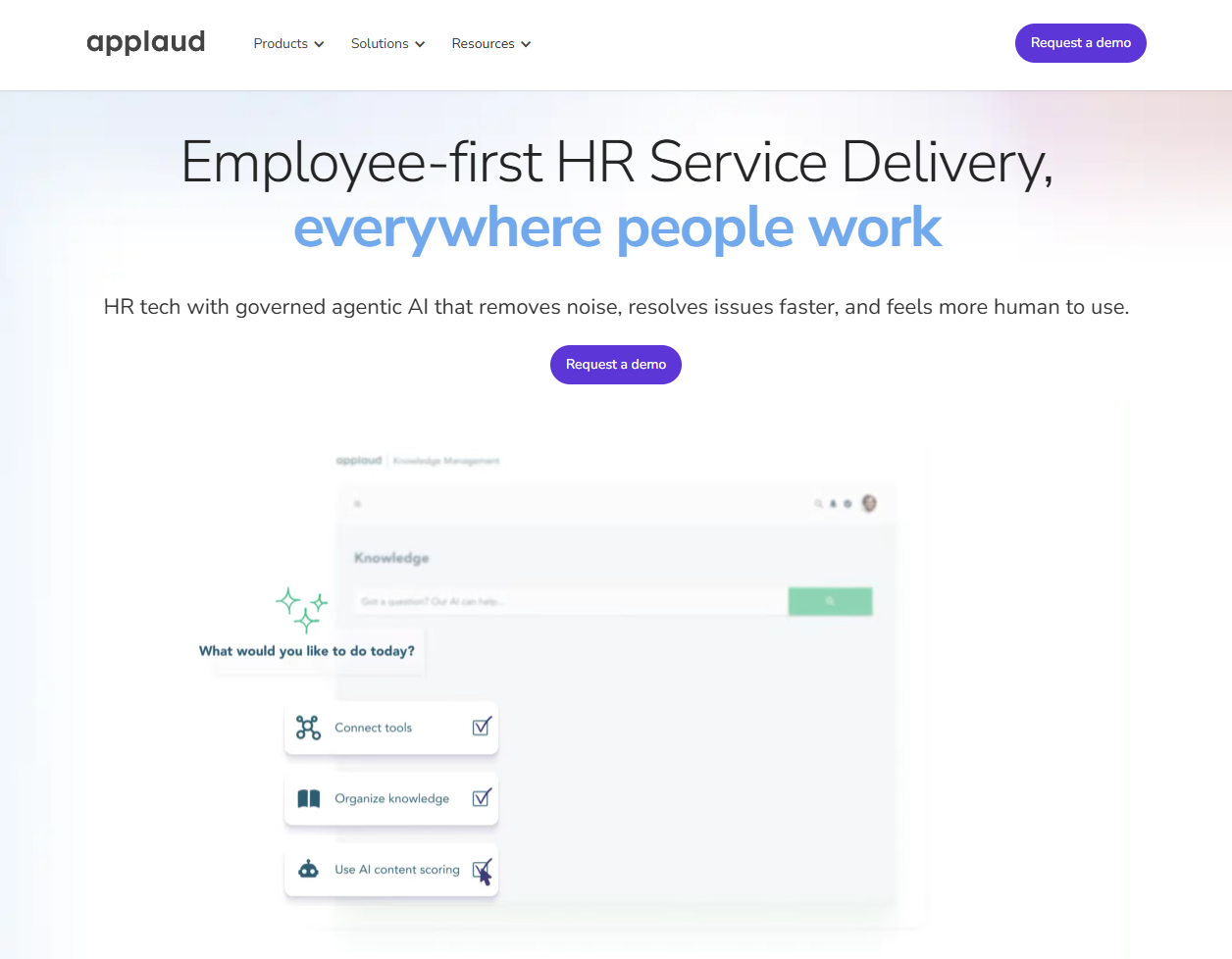
Applaud is an employee experience platform that sits on top of existing HR systems and presents a cleaner, unified interface to employees. It brings HR services, content, and tasks into one “front door” instead of many separate portals. Many companies use it to modernize HR self-service without replacing their core HR system.
Software Pros:
- Unified front-end across multiple HR systems
- Strong focus on UX and personalization
- Good mobile experience
Software Cons:
- Works best when you already have HR systems to connect
- Implementation needs clear ownership between HR and IT
Applaud Review:
While exploring Applaud, I paid attention to how it hides the complexity of multiple HR tools behind one interface. I liked how tasks, policies, and requests show up in a simple, branded experience instead of separate logins. I’d position this primarily as a way to make existing HR stacks feel more modern and coherent for employees.
Our Verdict
Unified Front Door For HR
Axero
Quick Overview:
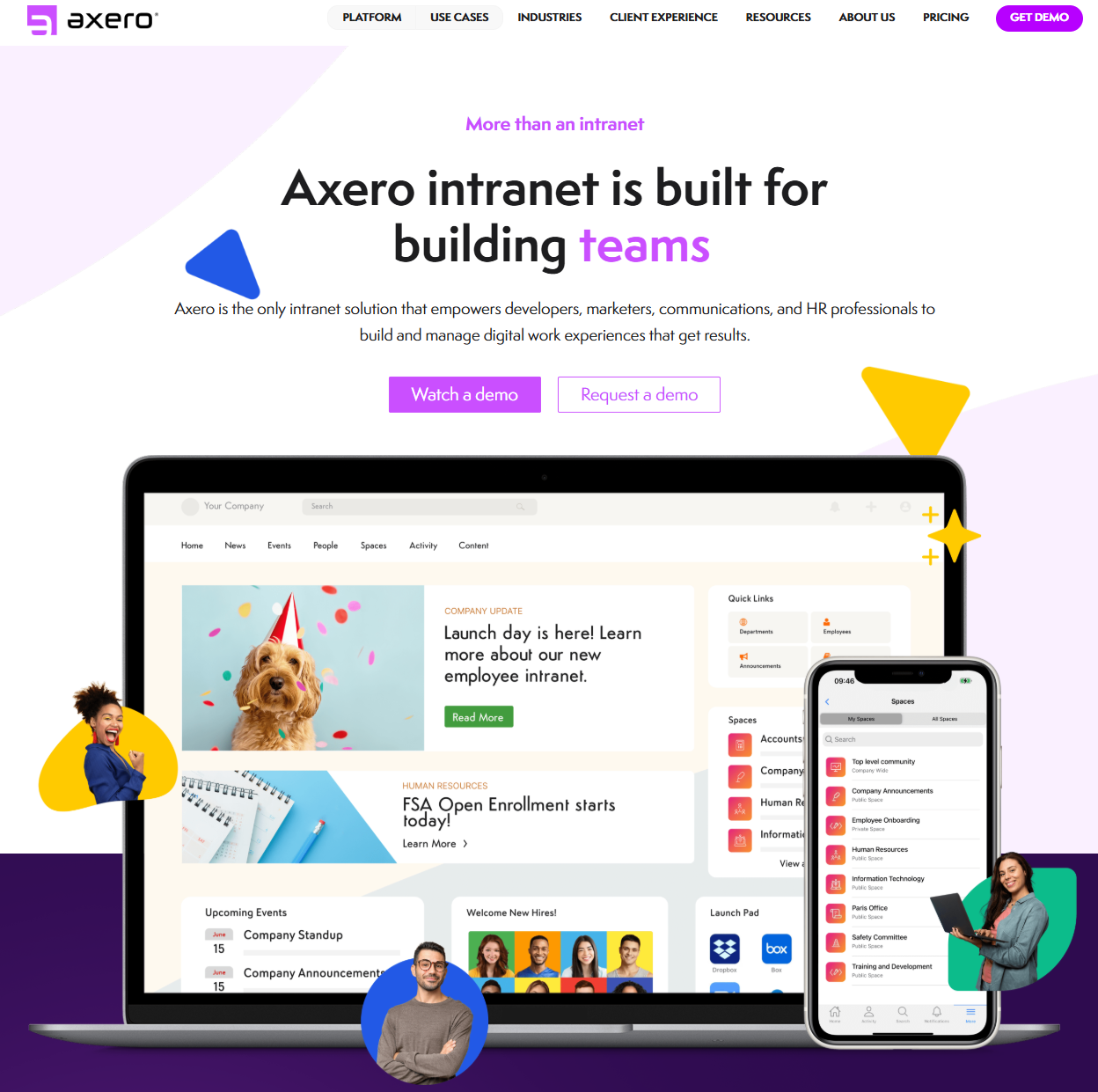
Axero is an intranet and communication hub that doubles as digital employee experience software. It brings news, documents, communities, and search into one space so staff can find what they need faster. Teams use it to replace outdated intranets with a more social and searchable environment.
Software Pros:
- Strong intranet and knowledge features
- Social tools (likes, comments, communities)
- Good search and navigation options
Software Cons:
- Needs thoughtful content structure to shine
- Can feel like “too much” if you just want surveys
Axero Review:
What stood out to me about Axero was how it treats communication and knowledge as core parts of the employee experience, not side notes. I appreciated the way pages, spaces, and activity feeds can be shaped around real teams and topics. I tend to view this as a good fit when your EX focus includes content, collaboration, and a better digital workplace, not just feedback forms.
Our Verdict
Modern Intranet For Daily Experience
Bonusly
Quick Overview:
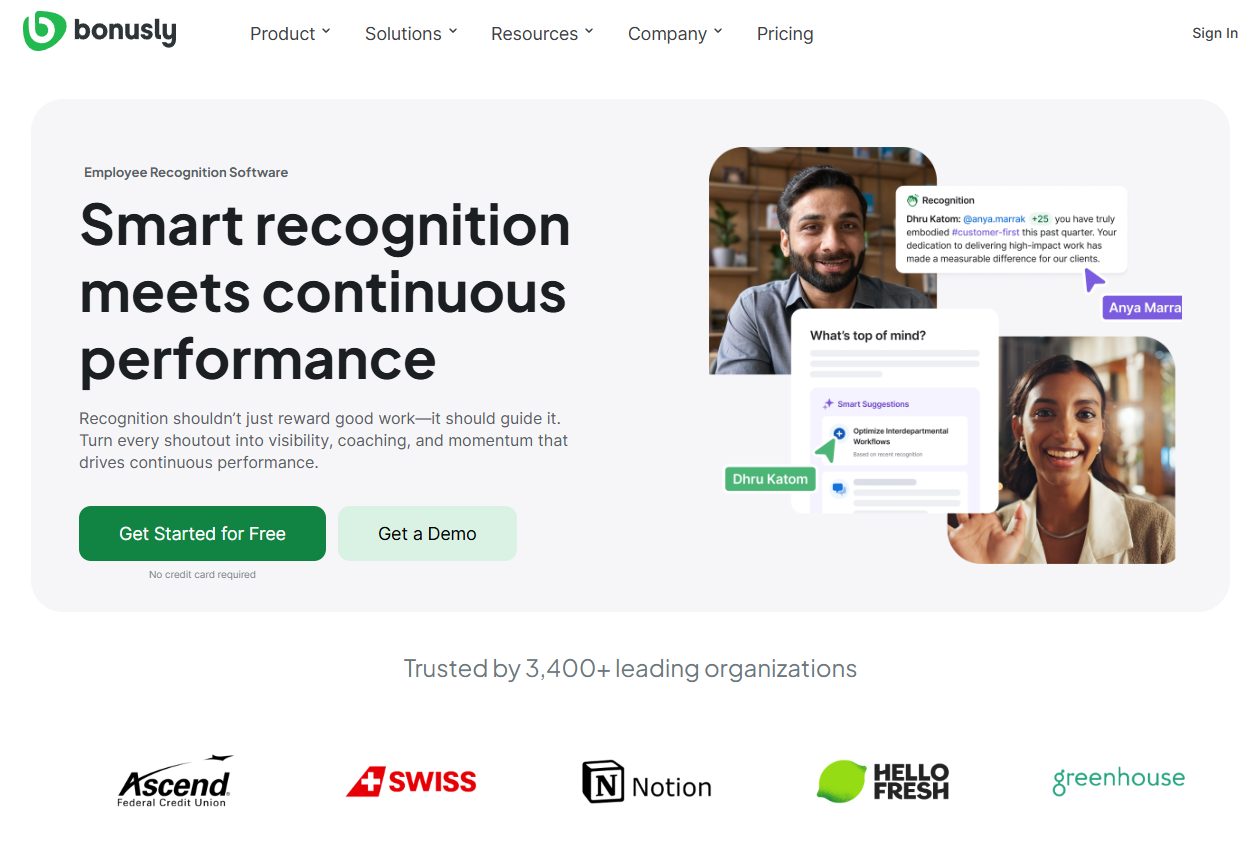
Bonusly is a recognition-focused employee experience tool that lets people give small, public shout-outs tied to company values. Points can be redeemed for rewards, but the main aim is peer recognition and visibility. Many organizations use it as part of their best employee experience tools 2025 mix for culture and morale.
Software Pros:
- Simple, social recognition feed
- Values tagging helps link praise to behaviors
- Integrations with chat tools like Slack and Teams
Software Cons:
- Not a full EX management platform on its own
- Reward budgets need clear rules
Bonusly Review:
I spent some time exploring how Bonusly fits into daily communication rather than living in a separate tab. I liked how naturally recognition posts show up where teams already talk, which keeps them visible instead of hidden. In my opinion, it’s a useful add-on when you want lightweight, continuous recognition without deploying a large EX suite.
Our Verdict
Simple, Social Peer Recognition
Culture Amp
Quick Overview:
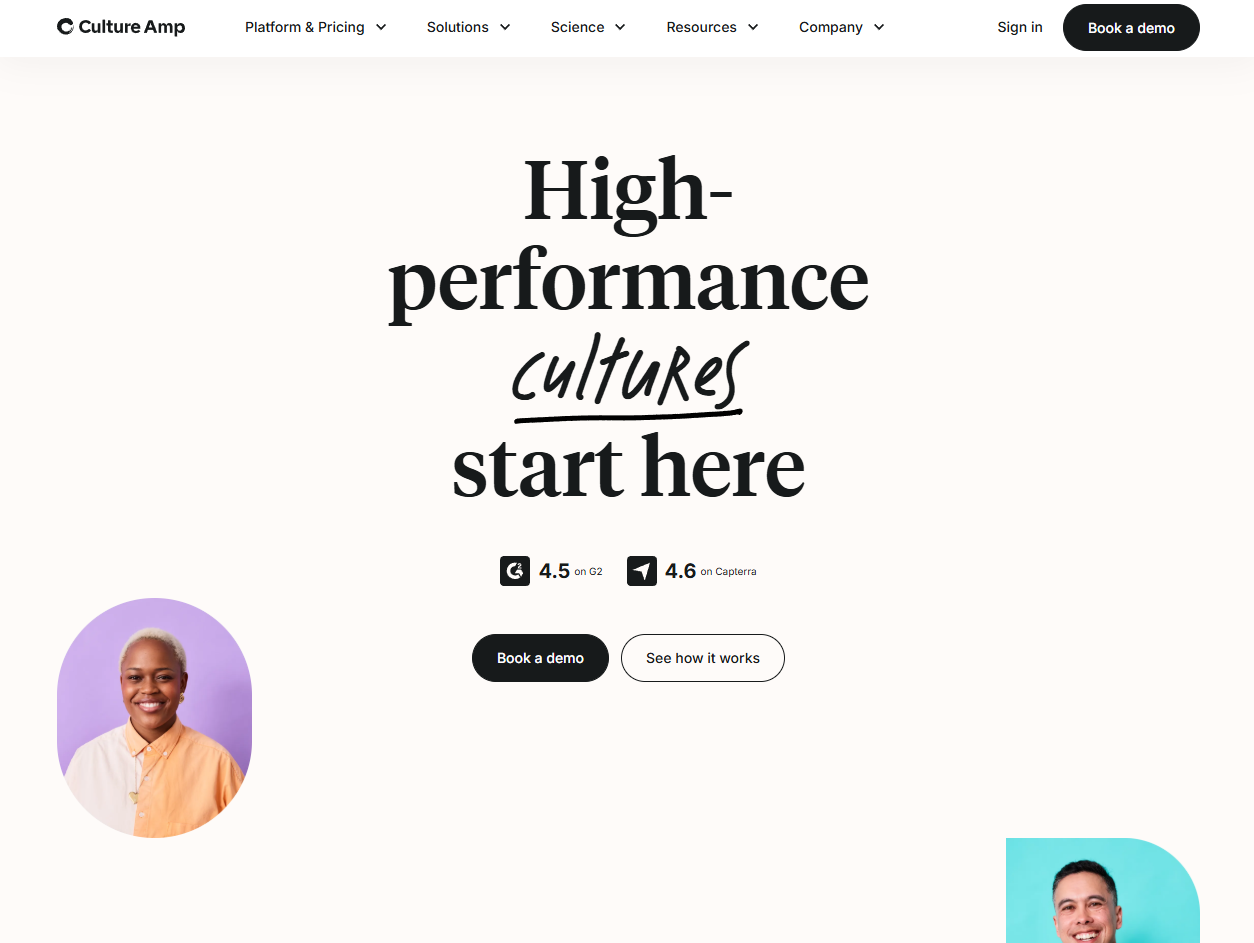
Culture Amp is an employee experience management platform that combines engagement surveys, lifecycle feedback, and performance tools. It focuses on understanding drivers of engagement and helping managers act on insights. Many mid-size and enterprise teams treat it as one of their best employee experience management platforms.
Software Pros:
- Strong engagement and pulse survey features
- Clear reporting on drivers and trends
- Links between EX, performance, and development
Software Cons:
- Works best when managers actively use the insights
- Can feel like “a lot” for very small companies
Culture Amp Review:
When I reviewed Culture Amp, I usually paid attention to how it turns feedback into concrete focus areas. The platform does a good job highlighting which factors drive engagement in each team instead of just showing scores. I tend to view this as a strong option when you want more than simple surveys and need real EX analysis.
Our Verdict
Insight-Driven EX And Engagement
Empuls (by Xoxoday)
Quick Overview:
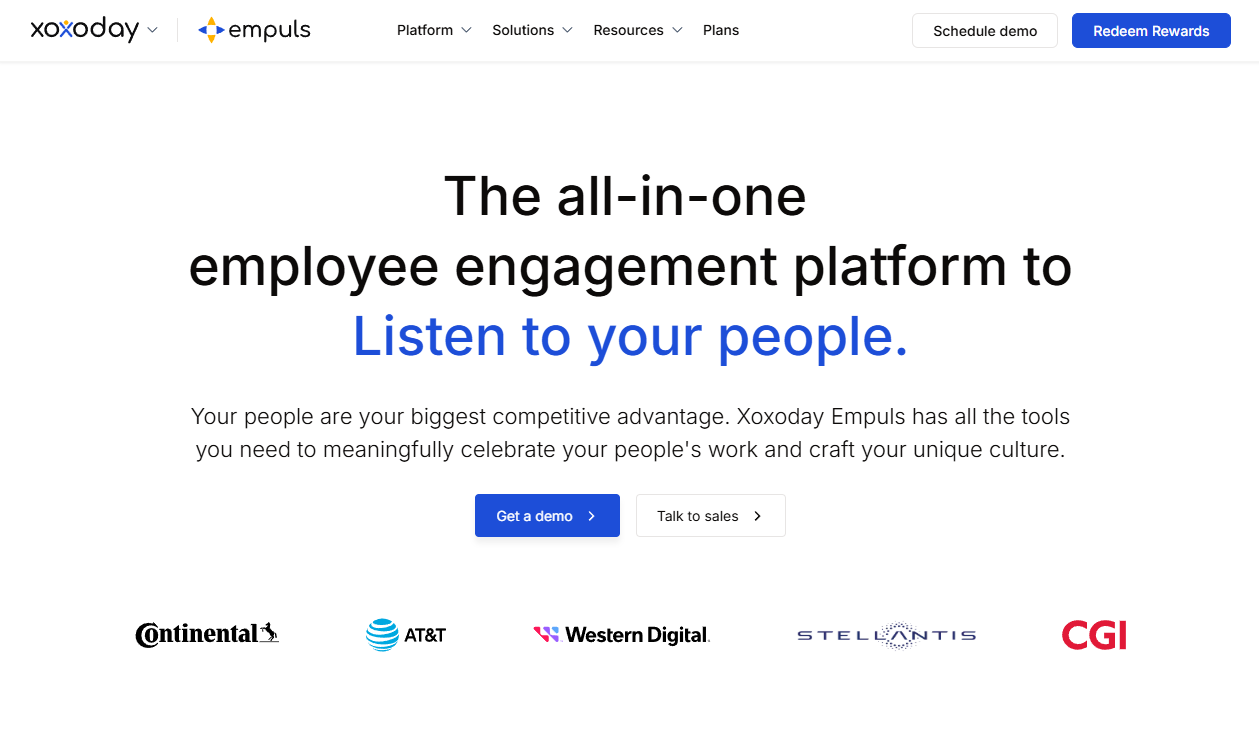
Empuls is an employee experience management software that bundles surveys, recognition, rewards, and communication in one platform. It aims to cover engagement from both feedback and appreciation angles. Many companies use it when they want a single tool instead of separate survey and recognition products.
Software Pros:
- Surveys, recognition, and rewards in one place
- Pre-built templates for engagement and eNPS
- Integrations with HRIS and collaboration apps
Software Cons:
- Broad scope can feel busy at first
- Reward catalogs need localization for some regions
Empuls Review:
While exploring Empuls, I noticed how often recognition and feedback show up together in the same feed. I found it genuinely helpful when thinking about how to keep EX efforts visible, not hidden in quarterly surveys. I’d position this primarily as an all-in-one approach if you want both listening and recognition without juggling many vendors.
Our Verdict
All-In-One Engagement And EX Hub
Kudos
Quick Overview:
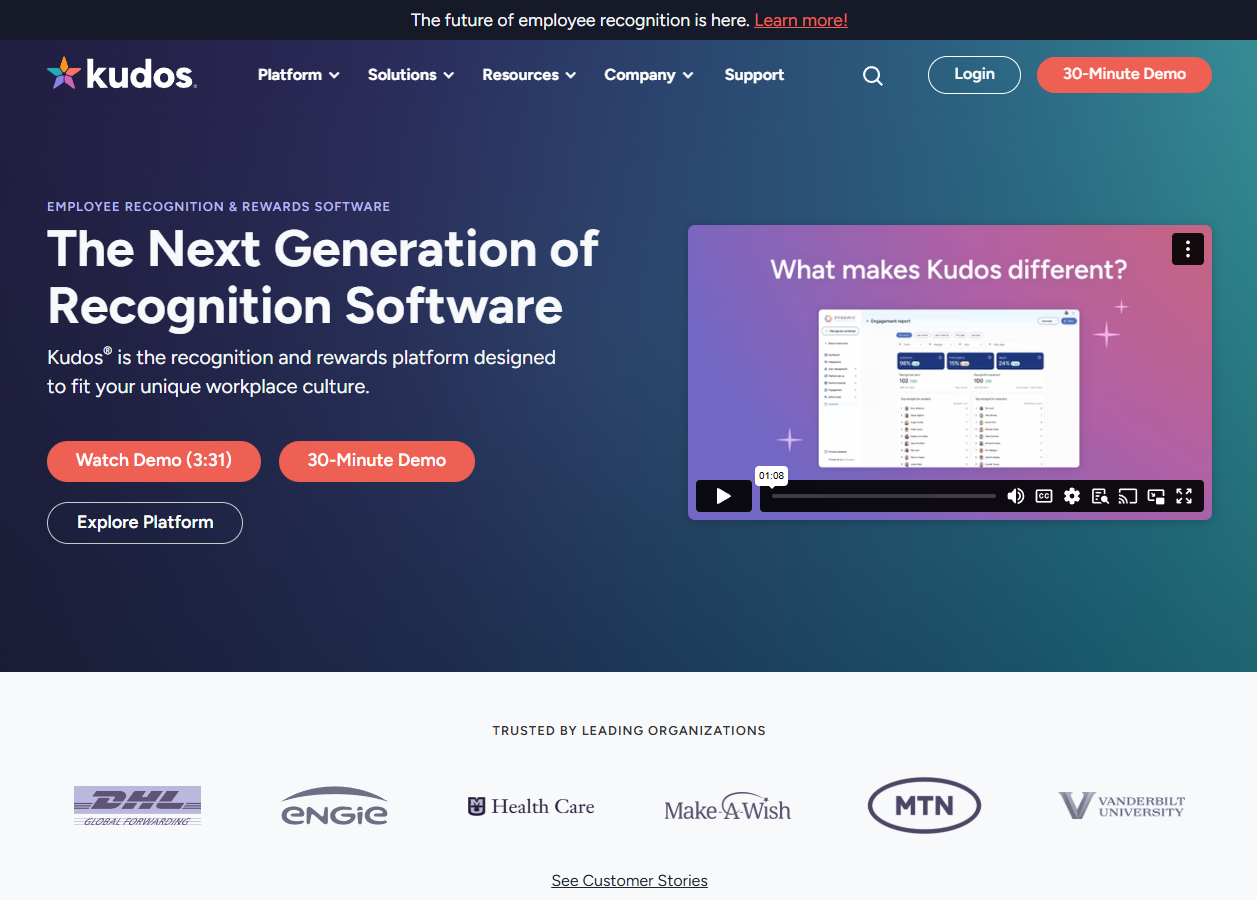
Kudos is a recognition-centered employee experience platform that focuses on values-based messages, awards, and social feeds. It is often used to support culture, belonging, and long-term recognition programs. Many lists of best employee experience tools for recognition include Kudos as a core option.
Software Pros:
- Values-based recognition framework
- Flexible rewards and award types
- Strong focus on culture and belonging
Software Cons:
- Not a full analytics-heavy EX suite
- Requires program design to avoid “points for everything”
Kudos Review:
When I looked at Kudos, I focused on how recognition is framed around company values rather than just “good job” notes. I liked how the feed makes appreciation more visible across locations, which can help remote and hybrid teams feel included. From my perspective, it’s a solid choice when your EX work leans heavily toward culture and recognition.
Our Verdict
Values-Driven Recognition Experience
Lattice
Quick Overview:
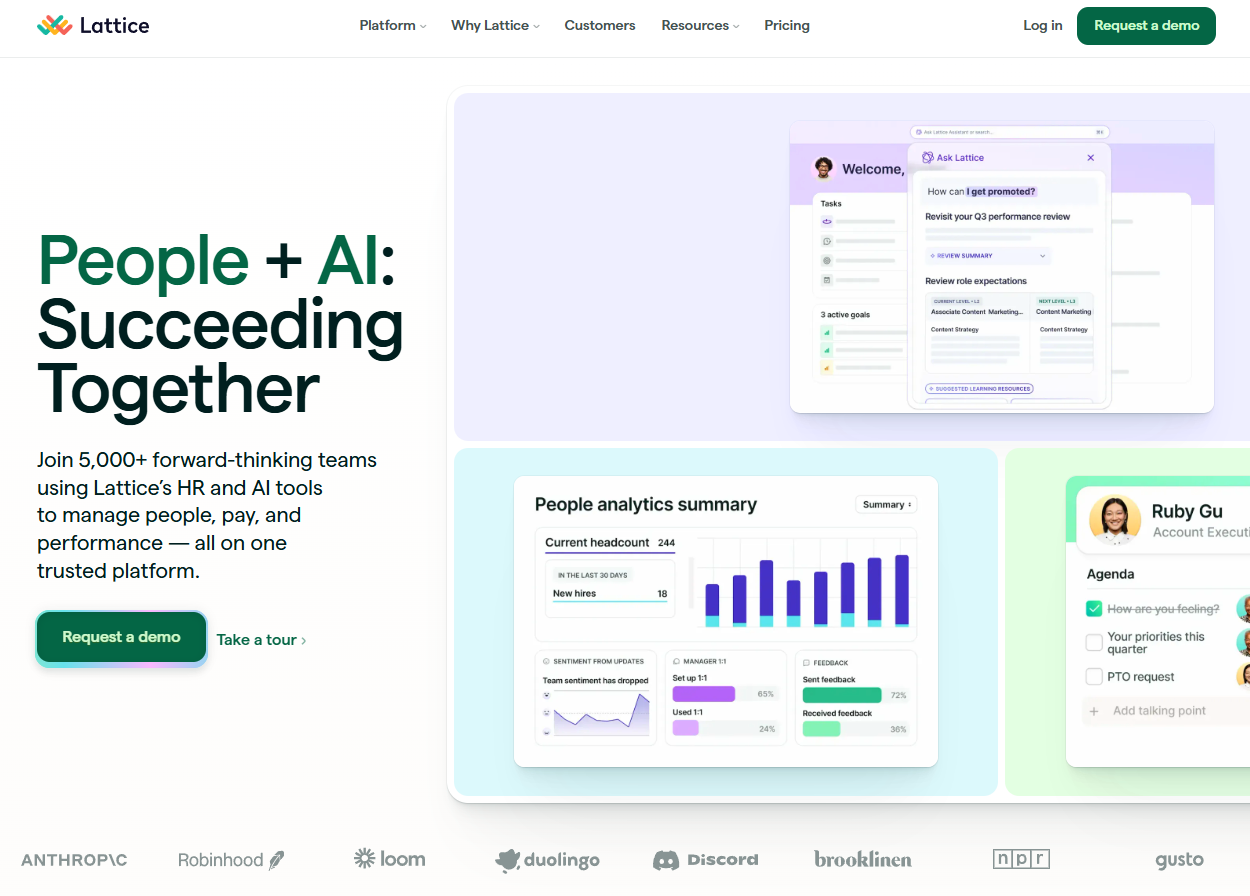
Lattice started as a performance and engagement tool and is now often seen as employee experience software as well. It combines goals, performance reviews, engagement surveys, and feedback.
Software Pros:
- Links goals, feedback, and engagement surveys
- Clear views for managers on team health
- Scales well from mid-size to larger firms
Software Cons:
- Implementation and change management matter a lot
- May feel feature-heavy if you only want simple surveys
Lattice Review:
In my opinion, Lattice works well when you want performance and employee experience in one place. I appreciated the way engagement data sits next to goals and review cycles, which gives managers more context. I tend to view this as a fit for teams looking for a combined performance and EX layer rather than separate systems.
Our Verdict
Performance And EX In One Suite
Leapsome
Quick Overview:
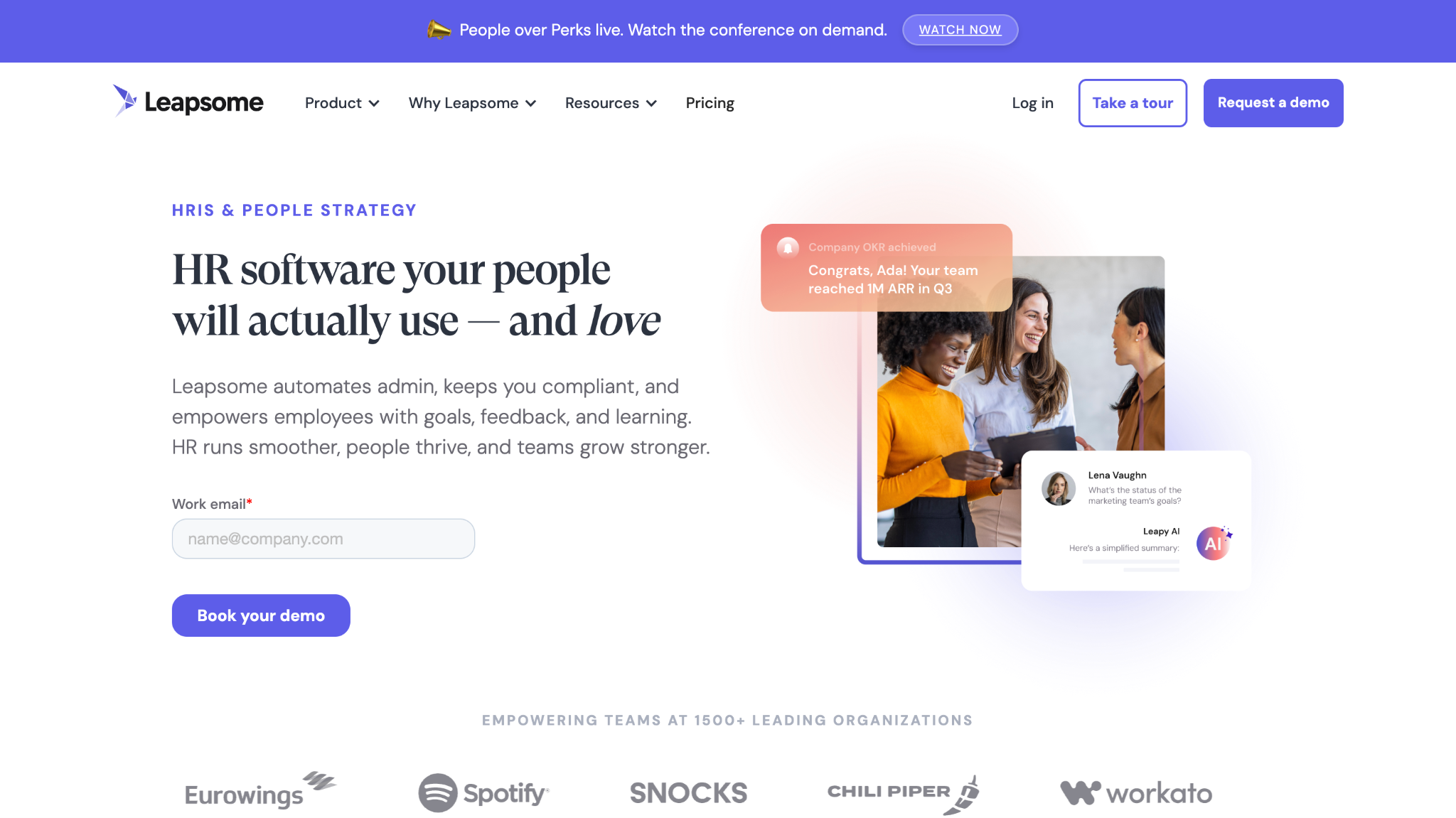
Leapsome is an employee experience management platform that combines engagement surveys, performance reviews, goals, and learning. It aims to connect feedback, growth, and alignment in one system. Many buyers mention it when discussing the best employee experience management platforms for growth-focused companies.
Software Pros:
- Strong engagement and survey features
- Clear links between feedback, goals, and skills
- Good support for continuous improvement loops
Software Cons:
- Setup takes thought to avoid complexity
- Works best when leadership commits to using the data
Leapsome Review:
I spent some time exploring how Leapsome ties surveys and feedback to concrete follow-up actions. What stood out to me was how easy it is to move from insights to goals and development plans. I’d position this primarily as a platform for teams that see EX, performance, and development as one connected system.
Our Verdict
Connected Feedback, Goals, And Growth
Limeade
Quick Overview:
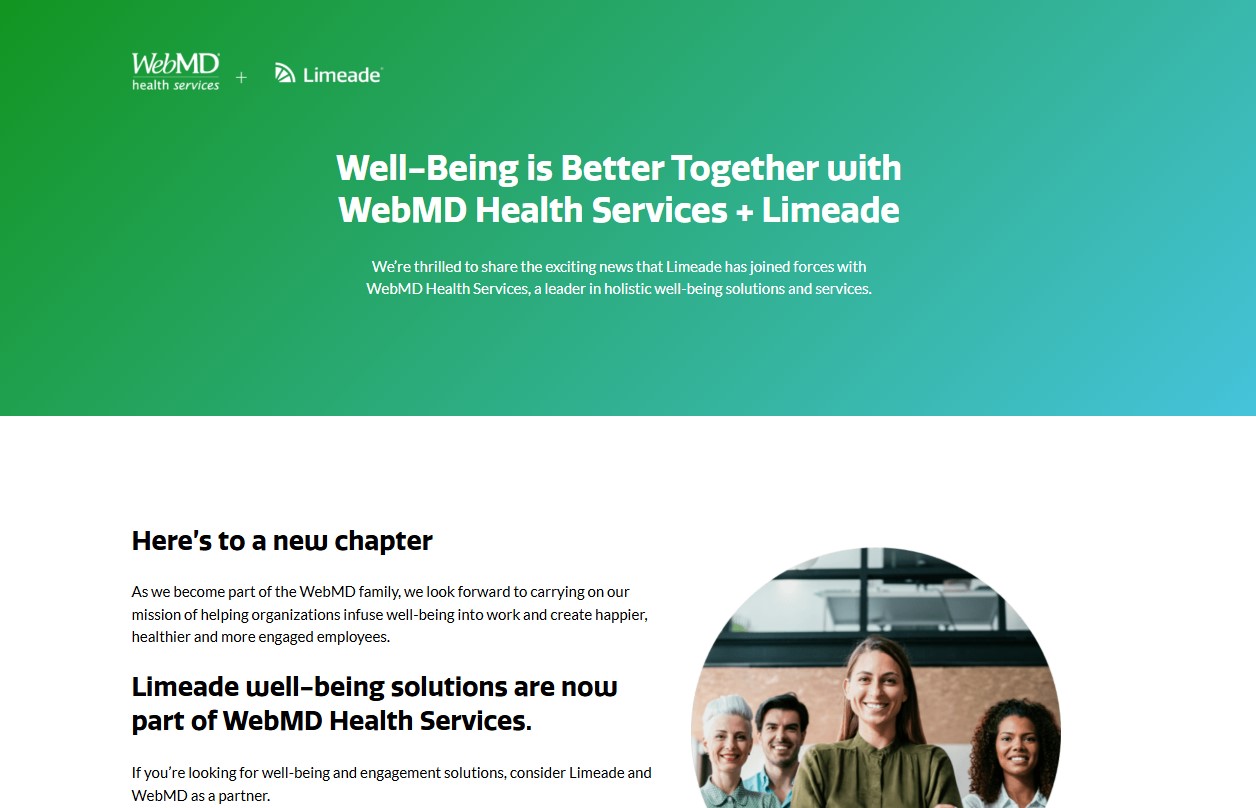
Limeade is focused on wellbeing, engagement, and inclusion as core parts of the employee experience. It offers an employee experience app with activities, surveys, and wellbeing programs. Many companies use it to support mental health, connection, and everyday engagement.
Software Pros:
- Strong wellbeing and inclusion focus
- Mobile app for daily nudges and activities
- Analytics on wellbeing and engagement trends
Software Cons:
- Not a full HR or service hub
- Works best alongside other HR systems
Limeade Review:
While exploring Limeade, I paid attention to how it brings wellbeing into daily routines, not just one-off campaigns. I liked how small challenges and check-ins can help people engage with health and inclusion topics in a low-pressure way. From my perspective, it makes sense as part of a broader EX strategy where wellbeing is a visible priority.
Our Verdict
Wellbeing-Centered EX Companion
LumApps
Quick Overview:
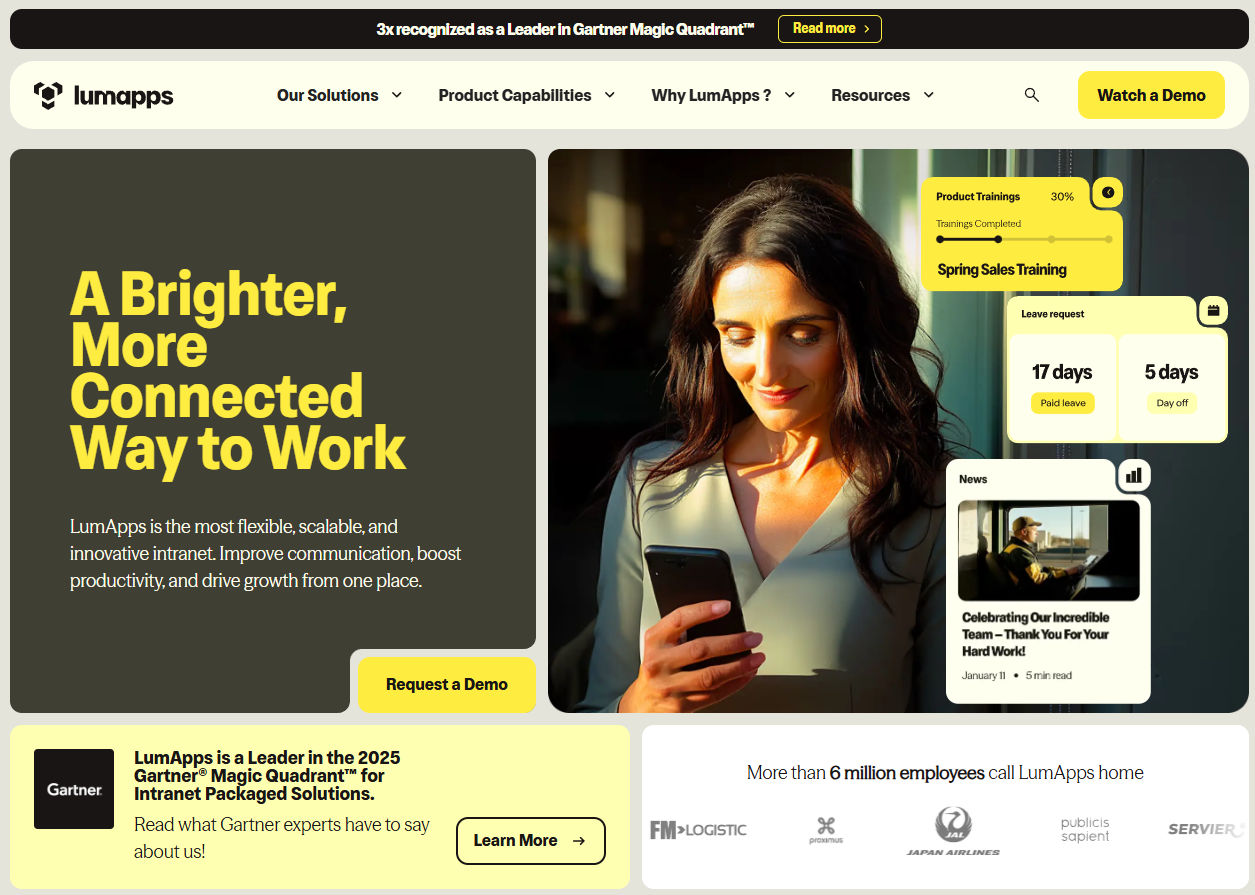
LumApps is a social intranet and digital employee experience platform built around communication, communities, and content. It integrates closely with Google Workspace and Microsoft 365. Many guides list it among the best digital employee experience tools for internal communication and knowledge sharing.
Software Pros:
- Strong integration with core productivity suites
- News, communities, and resources in one hub
- Personalization by role, location, and language
Software Cons:
- Requires content strategy and governance
- Not a survey or EX analytics tool by itself
LumApps Review:
I was curious to see how LumApps organizes communication across global teams. I appreciated the way local and global news can appear side by side, with targeting rules that keep content relevant. I tend to view this as one of the best digital employee experience software options when your main pain points are communication and fragmented content.
Our Verdict
Communications Hub For Global Teams
Medallia Employee Experience
Quick Overview:
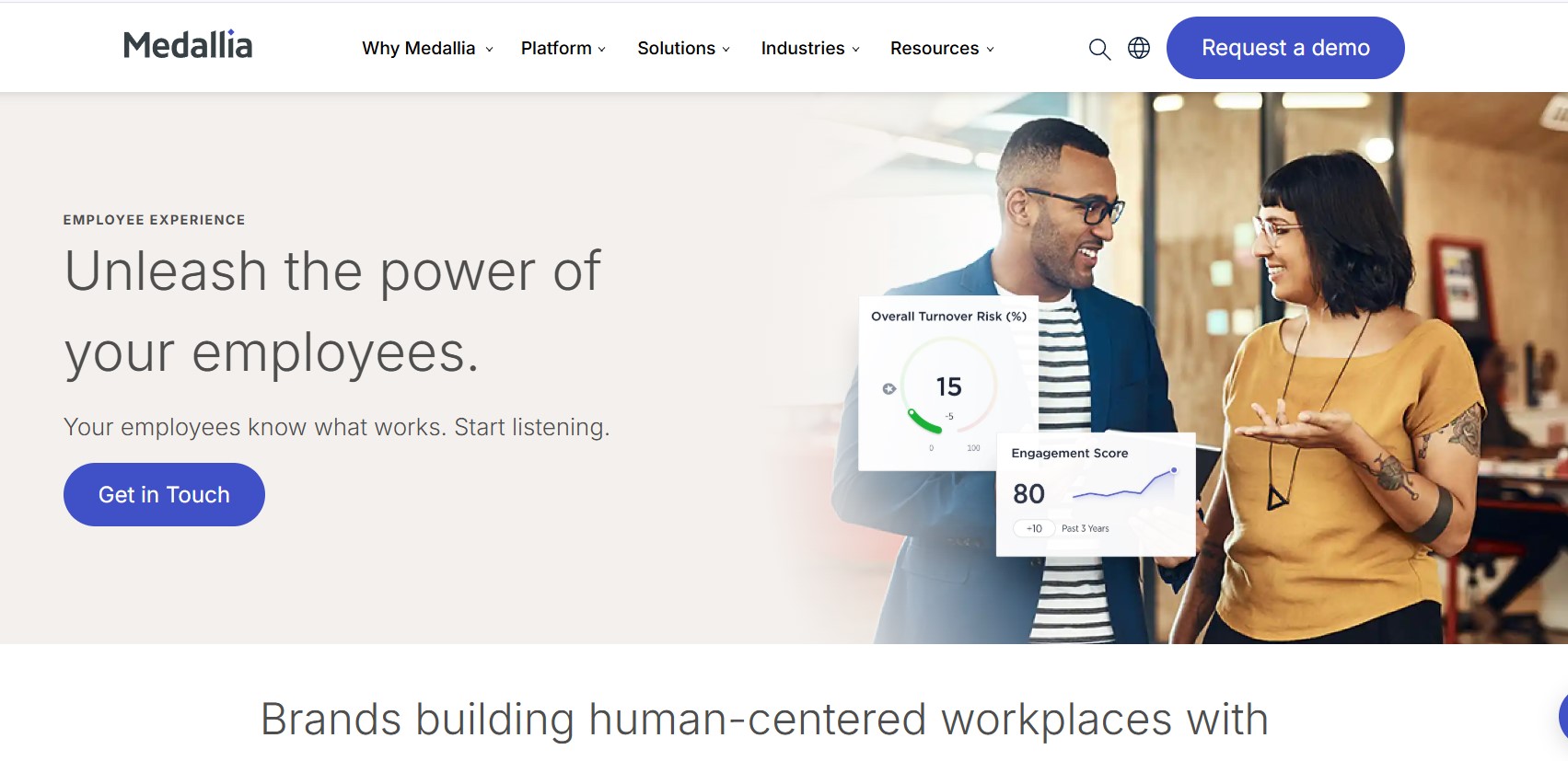
Medallia Employee Experience is part of Medallia’s broader experience management suite. It collects feedback across surveys, check-ins, and workflows, then surfaces insights on sentiment and drivers. Many enterprises treat it as a core employee experience measurement tool.
Software Pros:
- Strong analytics and driver analysis
- Multi-channel feedback collection
- Deep roots in experience management
Software Cons:
- Enterprise-level complexity and pricing
- Needs clear ownership to act on insights
Medallia Employee Experience Review:
When I reviewed Medallia’s EX solution, I focused on how deeply it can dig into drivers behind scores. I found the approach interesting because it moves beyond simple “good/bad” scores and looks at what actually shapes them. In my opinion, it fits organizations that want serious employee experience monitoring tools and are ready to invest in follow-through.
Our Verdict
Analytics-Heavy EX Measurement Suite
Microsoft Viva
Quick Overview:
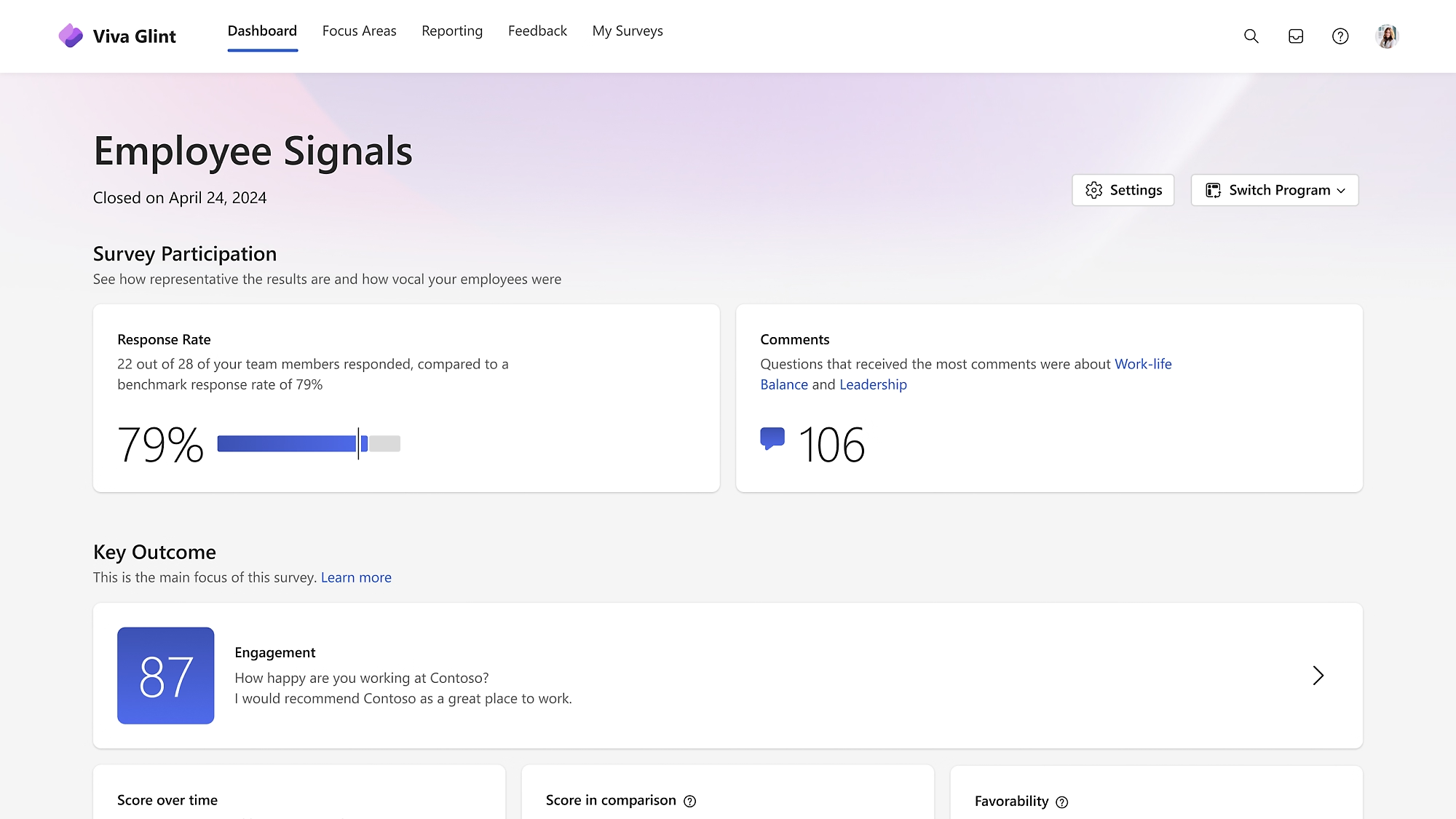
Microsoft Viva is a modular employee experience platform inside Microsoft 365. It covers communications, knowledge, learning, goals, and insights across modules like Viva Connections, Viva Learning, and Viva Insights. Microsoft describes it as a way to support connection, insight, purpose, and growth in one environment.
Software Pros:
- Deep integration with Microsoft 365 tools
- Multiple modules for different EX needs
- Strong fit for remote and hybrid teams
Software Cons:
- Full value appears only if you already use Microsoft 365
- Many modules can feel complex without a clear rollout plan
Microsoft Viva Review:
In my opinion, Viva is one of the top employee experience platforms for organizations already living in Teams and Outlook. I liked how communications, learning, and wellbeing insights show up where people already work, instead of in a separate portal. I’d position this as one of the best software for remote employee experience 2025 in Microsoft-centered environments.
Our Verdict
Integrated EX Layer For Microsoft 365
Motivosity
Quick Overview:
Software Pros:
- Social recognition and small bonuses
- Simple tools for manager check-ins
- Fits well for mid-size, culture-focused teams
Software Cons:
- Not a deep analytics platform for EX
- Rewards programs need policy clarity
Motivosity Review:
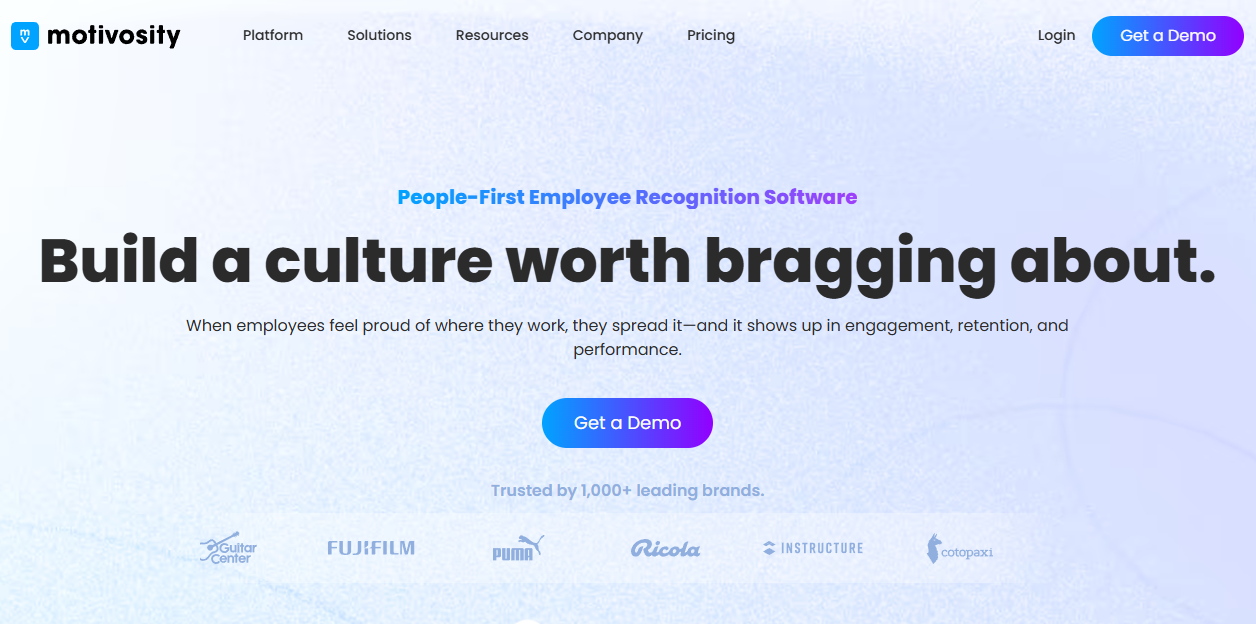
What I noticed fairly quickly about Motivosity was how much it leans into gratitude and connection. I found it genuinely helpful when thinking about how to give managers simple tools to show appreciation and stay in touch. I tend to view this as a practical culture layer you can add on top of existing HR systems.
Our Verdict
Culture-First Recognition And Check-Ins
Nexthink
Quick Overview:
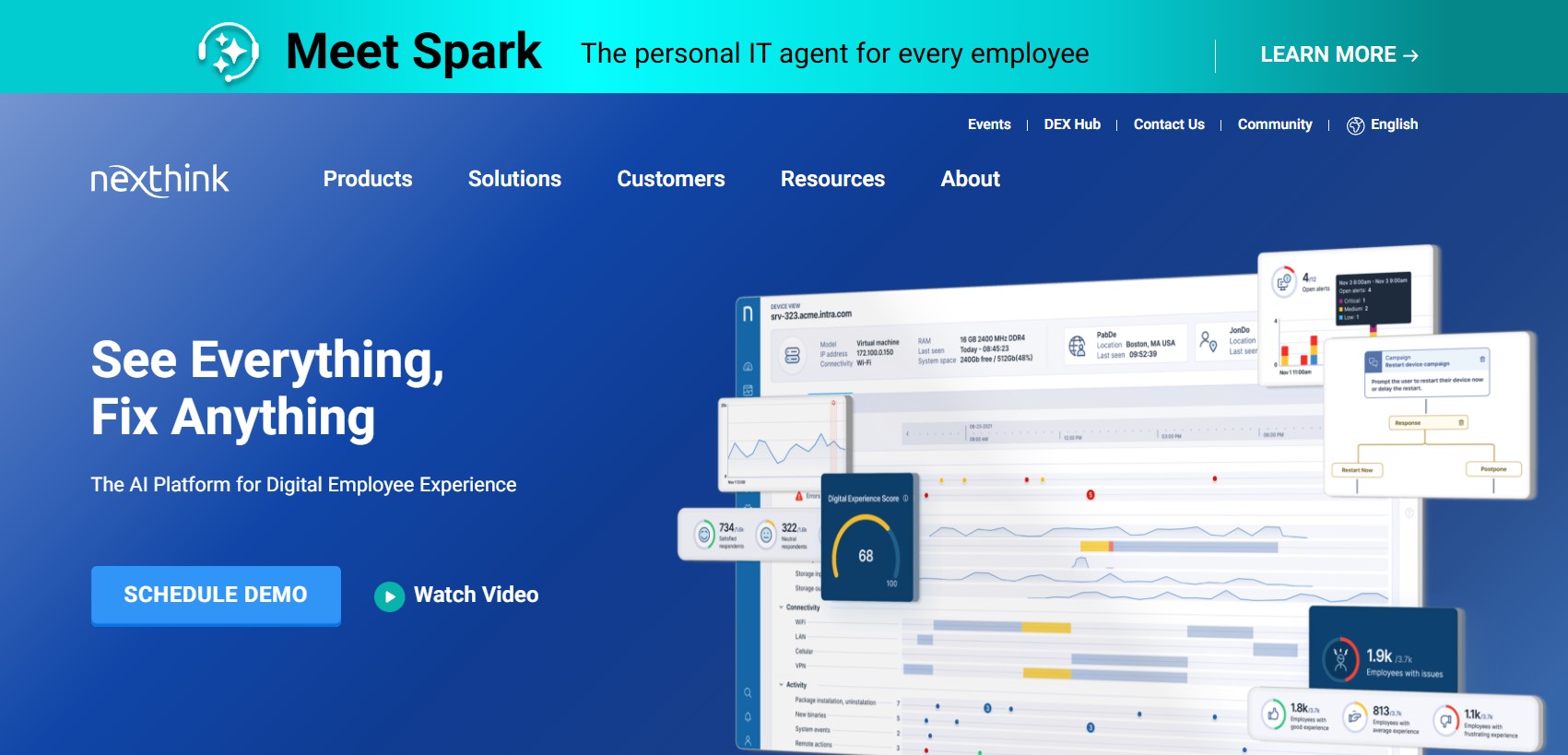
Nexthink is a digital employee experience software platform focused on how devices, apps, and networks perform for employees. It collects endpoint and application data to show where digital friction occurs, and can trigger fixes or automations. Many IT teams treat it as one of the best digital employee experience tools for monitoring.
Software Pros:
- Real-time insights into digital experience
- Automated diagnostics and remediation options
- Strong analytics for IT and operations
Software Cons:
- IT-focused; not a survey or sentiment tool
- Requires technical skills and change in IT workflows
Nexthink Review:
I approached Nexthink expecting a pure IT monitoring tool, but I found the focus on how issues feel to employees quite clear. I appreciated the way it ties technical events to real user experience, rather than just server metrics. I’d position this primarily as an EX layer for IT, sitting alongside more people-focused platforms.
Our Verdict
IT-Focused Digital Experience Monitor
Officevibe (Workleap Officevibe)
Quick Overview:
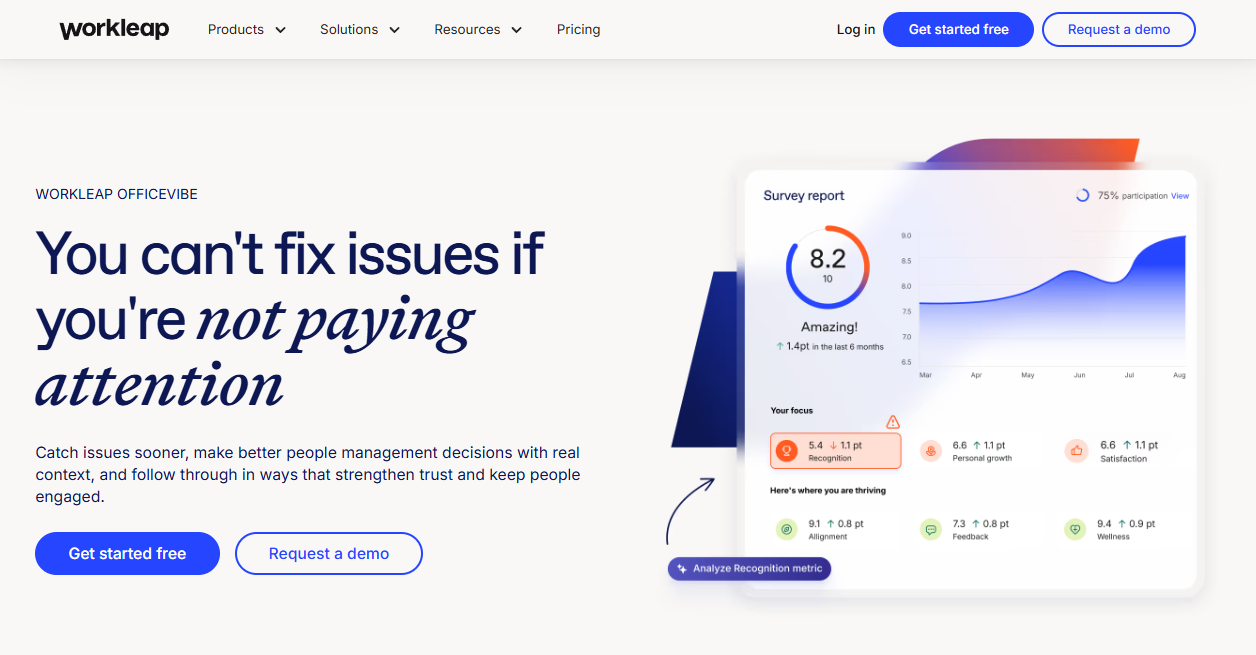
Officevibe is an employee experience tool centered on pulse surveys, feedback, and one-on-one support. It provides lightweight, regular check-ins and simple dashboards for managers. Many teams see it as an accessible way to start structured listening.
Software Pros:
- Easy-to-use pulse surveys and feedback
- Clear, manager-friendly dashboards
- Helpful prompts for one-on-one meetings
Software Cons:
- Less suited for deep enterprise EX analysis
- Limited outside the engagement and manager coaching space
Officevibe Review:
I like how Officevibe focuses on giving individual managers the tools they need without overwhelming them. What stood out to me was how feedback and one-on-one agendas sit together, which supports concrete follow-up. From my perspective, it works particularly well as a first EX step in growing teams.
Our Verdict
Manager-Friendly Pulse And Feedback Tool
Perceptyx
Quick Overview:
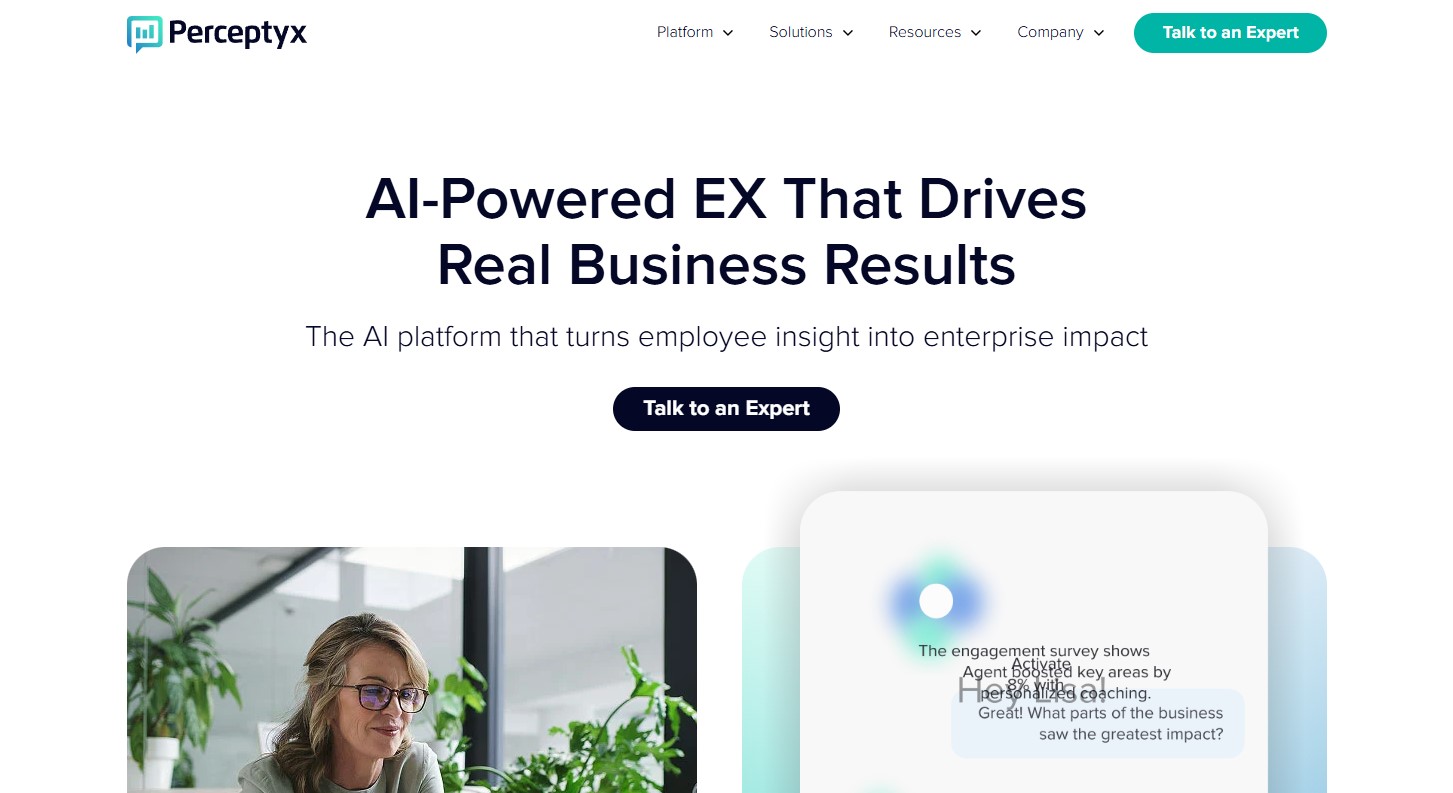
Perceptyx is an employee experience management software platform that focuses on large-scale listening programs. It supports engagement surveys, lifecycle surveys, crowdsourcing, and analytics. Many enterprises treat it as one of their core employee experience measurement tools.
Software Pros:
- Robust survey and listening capabilities
- Advanced analytics and driver analysis
- Scales across complex organizations
Software Cons:
- Enterprise-level pricing and complexity
- Requires strong internal EX or people analytics team
Perceptyx Review:
I spent some time exploring how Perceptyx structures big listening programs across many touchpoints. I found the approach interesting because it blends surveys, open feedback, and analytics in a disciplined way. In my opinion, it suits organizations that want to treat EX as a serious research and action field, not just a yearly survey.
Our Verdict
Enterprise Listening And EX Analytics
Qualtrics EmployeeXM
Quick Overview:
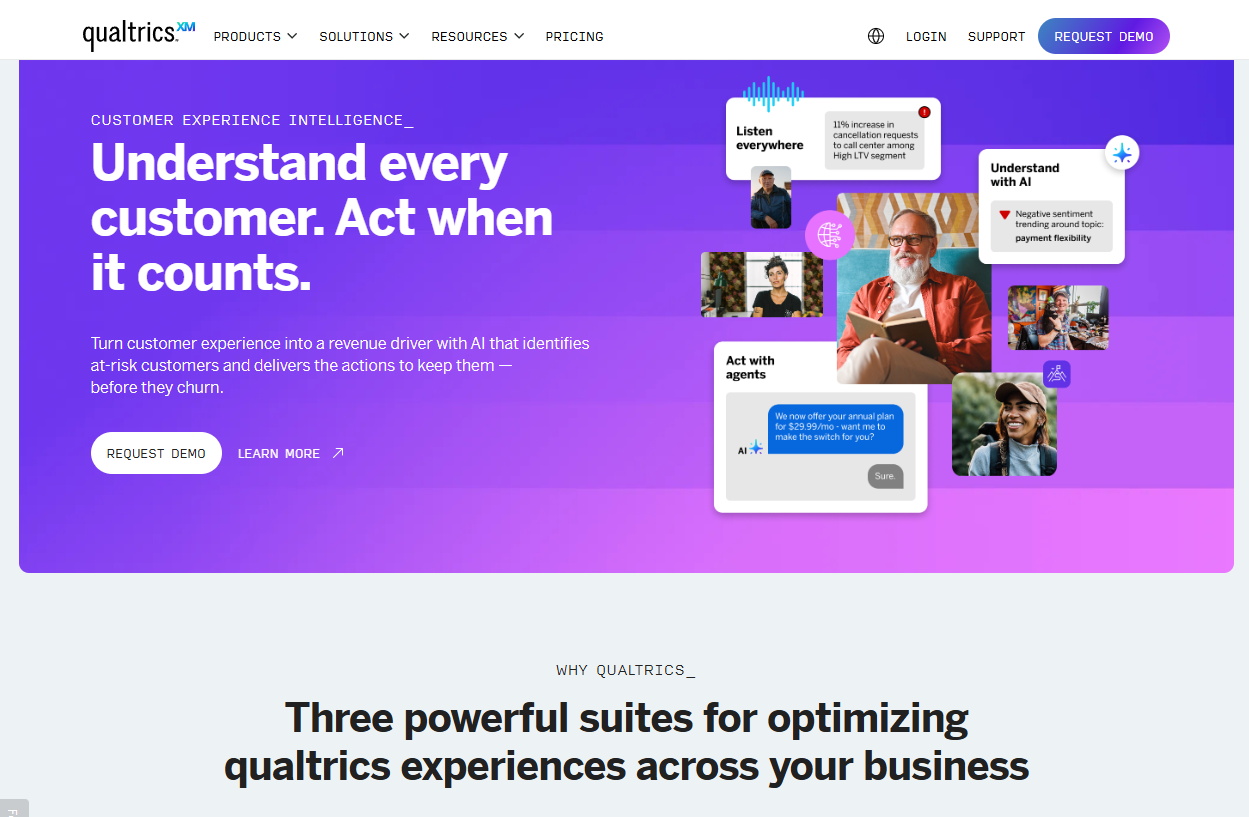
Qualtrics EmployeeXM is a large-scale employee experience management platform that supports surveys, lifecycle programs, and advanced analytics. It is part of the wider Qualtrics XM suite, used across customer and product experience as well. Many analysts place it among the best employee experience platforms for large organizations.
Software Pros:
- Very flexible survey and program design
- Advanced analytics, including driver and text analysis
- Integrations across HR and business systems
Software Cons:
- Can feel complex for small teams
- Needs clear ownership to turn insights into actions
Qualtrics EmployeeXM Review:
When I reviewed EmployeeXM, I focused on how it handles end-to-end EX programs rather than isolated surveys. I liked how lifecycle points (hire, onboarding, manager changes, exit) can each have their own listening and follow-up logic. I tend to view this as one of the best employee experience software options for organizations that already invest in analytics and change.
Our Verdict
Comprehensive EX Management Suite
ServiceNow Employee Experience

Quick Overview:
ServiceNow offers employee experience software solutions through products like Employee Center and HR Service Delivery. These tools bring HR, IT, and workplace services into one portal, with workflows and automation behind the scenes. Many large companies treat it as a key EX layer for services and requests.
Software Pros:
- Unified service portal for HR and IT
- Strong workflow and automation engine
- Good fit for complex service environments
Software Cons:
- Implementation can be long and technical
- Best suited to organizations already using ServiceNow
ServiceNow Employee Experience Review:
I found it interesting how ServiceNow positions EX as a service journey rather than just engagement. I appreciated the way requests, approvals, and updates can all flow through one place, which cuts down on email chaos. I’d position this primarily as a backbone when you want EX and ITSM to share the same platform.
Our Verdict
Service-Driven Employee Experience Hub
Staffbase
Quick Overview:
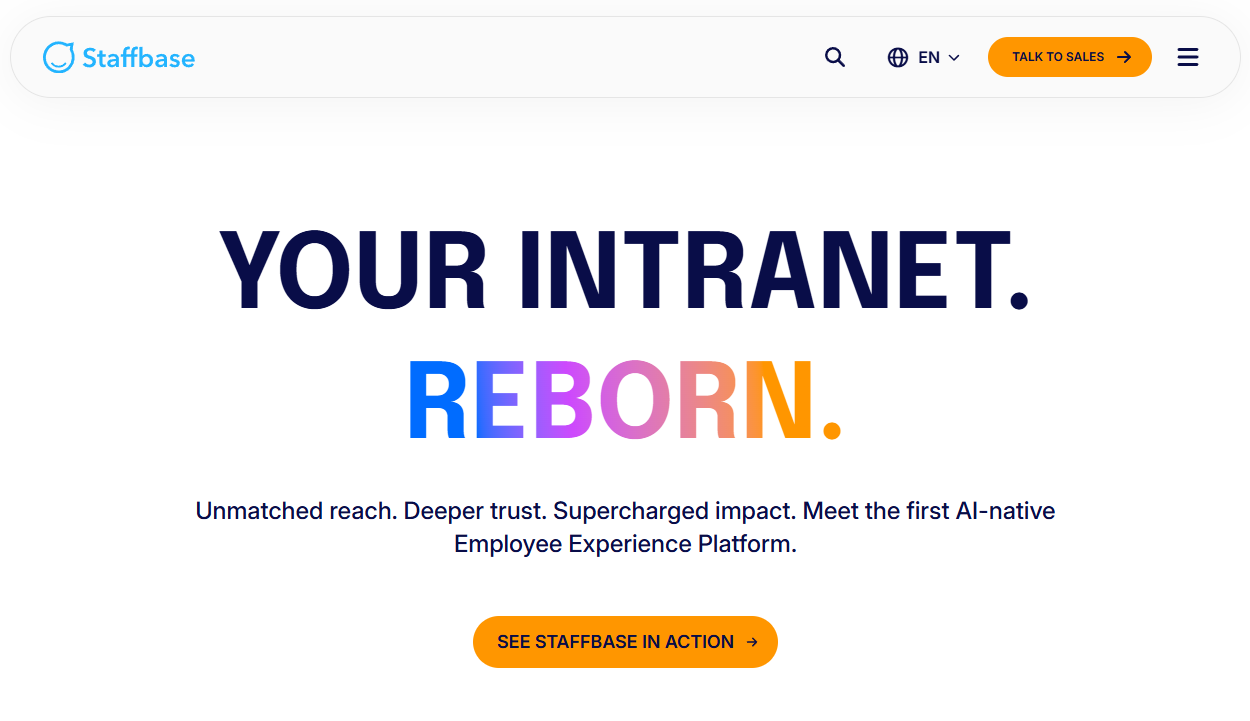
Staffbase is a communications-focused employee experience platform with mobile apps, intranet features, and campaigns. It is particularly strong for frontline and deskless workers who do not sit at a desk all day. Many organizations include it when comparing best employee experience platform options for internal comms.
Software Pros:
- Mobile-first communication for frontline staff
- News, surveys, and resources in one app
- Good targeting by location and role
Software Cons:
- Not a deep analytics EX suite by itself
- Still needs connection to HR and IT systems
Staffbase Review:
What stood out to me in Staffbase was how clearly it is built around communication for people who are rarely in front of a laptop. I liked how news, forms, and campaigns can be tailored to local teams while still controlled centrally. I tend to view this as one of the best hr software employee experience tools 2025 for communication-heavy EX programs.
Our Verdict
Mobile Communications For Frontline Experience
Workday (People Experience)
Quick Overview:
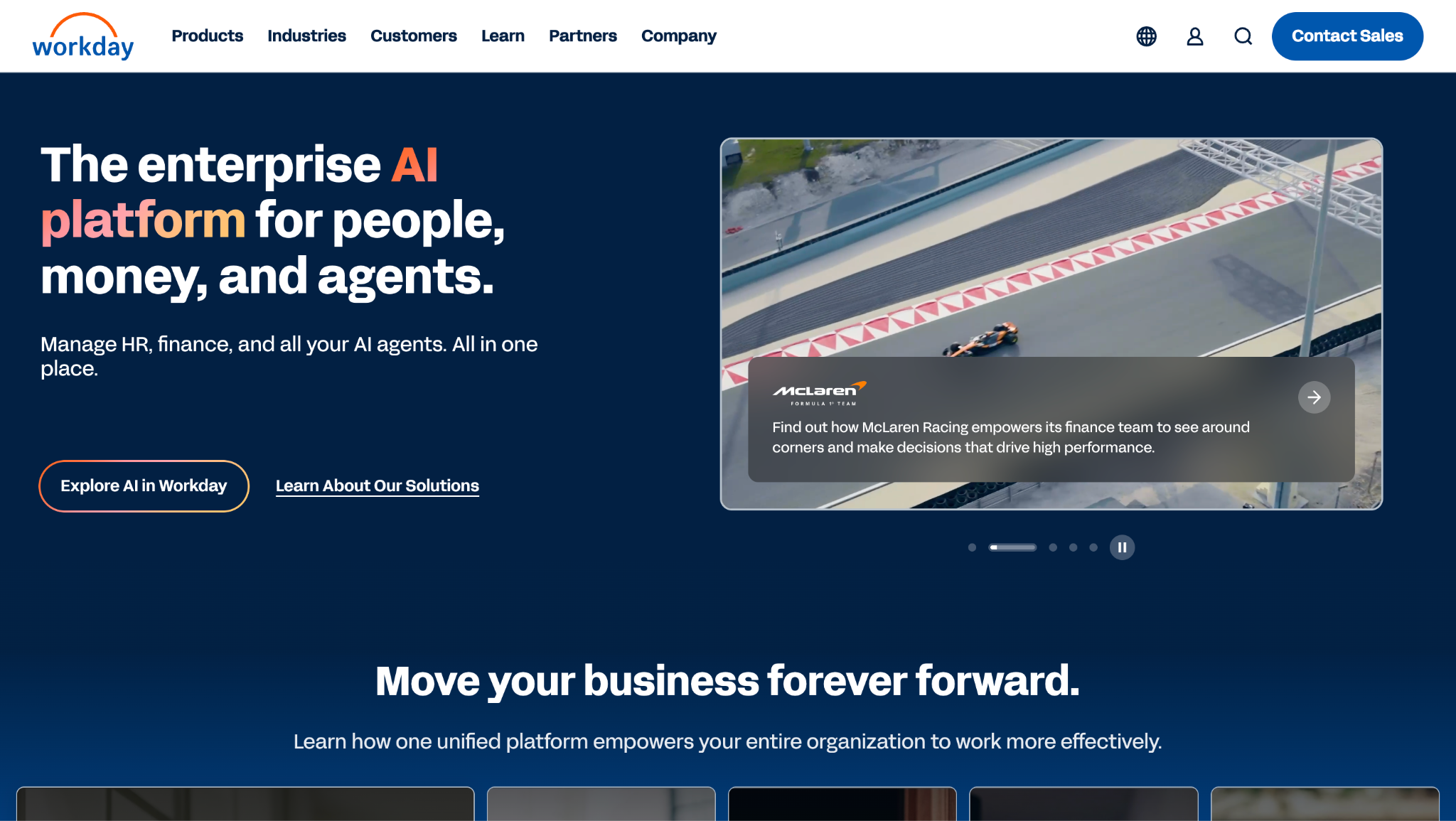
Workday delivers EX features as part of its HCM platform, often under the “People Experience” and related capabilities. It mixes search, recommendations, guided tasks, and help content into one interface. Many enterprises use it as a combined HR and employee experience tool.
Software Pros:
- Deep integration with HR data and processes
- Personalized suggestions and task guidance
- Single place for many HR interactions
Software Cons:
- Value appears mainly if Workday is your HR core
- Features depend on modules you license
Workday Review:
While exploring Workday’s EX features, I paid attention to how much friction they can remove from everyday HR tasks. I liked how search and recommendations help employees find answers without knowing which module to open. From my perspective, it’s most useful when you want EX to be baked directly into HR, not added on top.
Our Verdict
HR-Core Experience Inside Workday
Workhuman

Quick Overview:
Workhuman offers recognition, feedback, and check-in tools that aim to build a more human-centered experience at work. It combines global recognition programs with performance and feedback elements. Many enterprises see it as part of their best employee experience tools for culture and connection.
Software Pros:
- Global-ready recognition and rewards
- Feedback and check-ins tied to values
- Analytics on recognition patterns and inclusion
Software Cons:
- Requires strong program design and rollout support
- Works best alongside, not instead of, core HR systems
Workhuman Review:
In my opinion, Workhuman works best when you want recognition and feedback to be core habits, not side projects. I appreciated the way stories and thank-you messages become part of a shared feed, which can help large organizations feel smaller. I’d position this as a strong culture layer within a broader EX and HR stack.
Our Verdict
Global Recognition And Human-Centered EX
Workvivo (by Zoom)
Quick Overview:
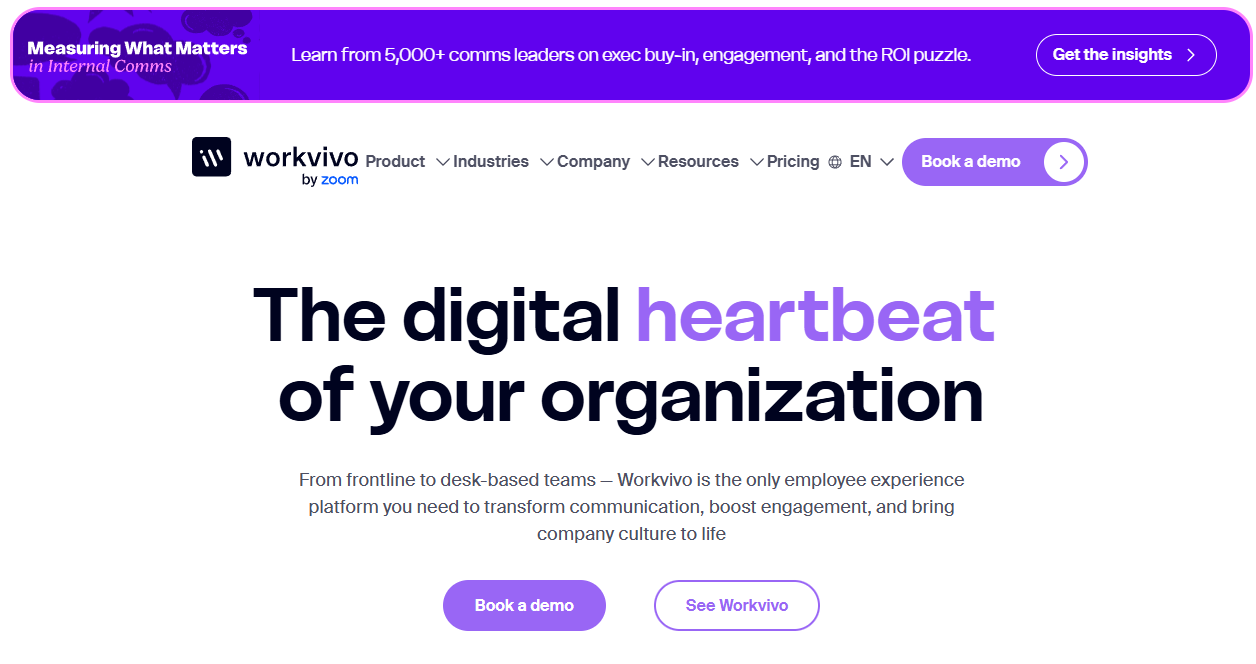
Workvivo is a community and communication-driven employee experience platform focused on connection and culture. It offers activity feeds, spaces, shout-outs, and events. Many guides list it among the best employee experience platforms 2025 for building community in remote and hybrid teams.
Software Pros:
- Strong focus on community and belonging
- Social-style feed that feels familiar
- Good fit for remote and hybrid teams
Software Cons:
- Not centered on deep EX analytics or IT metrics
- Needs active content and community managers
Workvivo Review:
I found it easy to see why Workvivo is often grouped with social apps rather than classic intranets. What I noticed fairly quickly was how much it encourages participation from across the company, not just leadership. In my opinion, it’s one of the best employee experience tools 2025 for teams that want a visible, social layer around their work.
Our Verdict
Community-First Platform For Connection
FAQs About Employee Experience Tools
What is employee experience (EX) software?
Employee experience (EX) software is a set of employee experience tools that help you understand and improve how people feel and work at your company. It can combine surveys, recognition, communications, IT data, and service workflows into one view so you can see where things are smooth and where people struggle.
What problems does employee experience software help organizations solve?
EX tools help organizations see issues like low engagement, digital friction, poor communication, slow support, and weak recognition before they turn into turnover. By using employee experience software solutions, teams can track key drivers, respond faster, and support changes more clearly instead of relying only on one big annual survey.
How is employee experience software different from employee engagement tools?
Engagement tools focus mainly on measuring and improving engagement scores through surveys and follow-up actions. An employee experience management platform usually goes wider: it looks at communication, services, digital tools, recognition, and even IT performance. In short, engagement is part of EX, but full employee experience apps and platforms try to cover the whole journey.
What types of companies benefit most from employee experience platforms?
Any company with more than a handful of people can benefit, but top employee experience platforms tend to bring the most value in organizations where work is spread across locations, tools, and time zones. In those cases, best employee experience platforms and best employee experience software help keep a clear picture of what is happening, especially when you combine them with HR systems, IT platforms, and other EX-related tools.

Yaryna is our lead writer with over 8 years of experience in crafting clear, compelling, and insightful content. Specializing in global employment and EOR solutions, she simplifies complex concepts to help businesses expand their remote teams with confidence. With a strong background working alongside diverse product and software teams, Yaryna brings a tech-savvy perspective to her writing, delivering both in-depth analysis and valuable insights.