Cloud HR Software for Small Business: Why It Matters
Cloud HR software moves core HR work, such as employee records, time off, onboarding, basic compliance, and often payroll into one online system. Instead of spreadsheets and paper forms, small teams get one place to store data, run workflows, and keep records up to date. For small businesses, this can be the first real step away from ad-hoc admin toward a repeatable HR process.
Today, millions of small and mid-size businesses already rely on cloud HR tools to manage complex HR tasks they used to handle manually. Business market report estimates that around 3.2 million SMBs use cloud-based HR software, and that SMB software spend is growing fast as more tools move to the cloud. Cloud-based HR solutions also make life easier for hybrid and distributed teams, since managers and employees can access the same system from anywhere, often on mobile.
HR groups are under pressure to do more than basic record-keeping. They are expected to handle compliance, reporting, and employee experience, often with limited headcount. Recent HR tech guides from SHRM and Gartner highlight a shift toward integrated HR cloud solutions that connect core HR, reporting, and workflow automation instead of adding more stand-alone tools. For small businesses, the best cloud HR software is usually the one that gives a clean core system, solid reporting (often supported by top HR reporting software), and room to grow, without turning HR into a full-time IT project.
17 Best Cloud Based HR Software for Small Business
I’ve found and analyzed some of the most notable cloud based HR software for small business that handle core HR, time off, basic compliance, and sometimes payroll and benefits. This list focuses on tools that are realistic for smaller teams, not only big-enterprise suites. I’m listing all providers in A–Z order to keep things simple and fair.

BambooHR
Quick Overview:
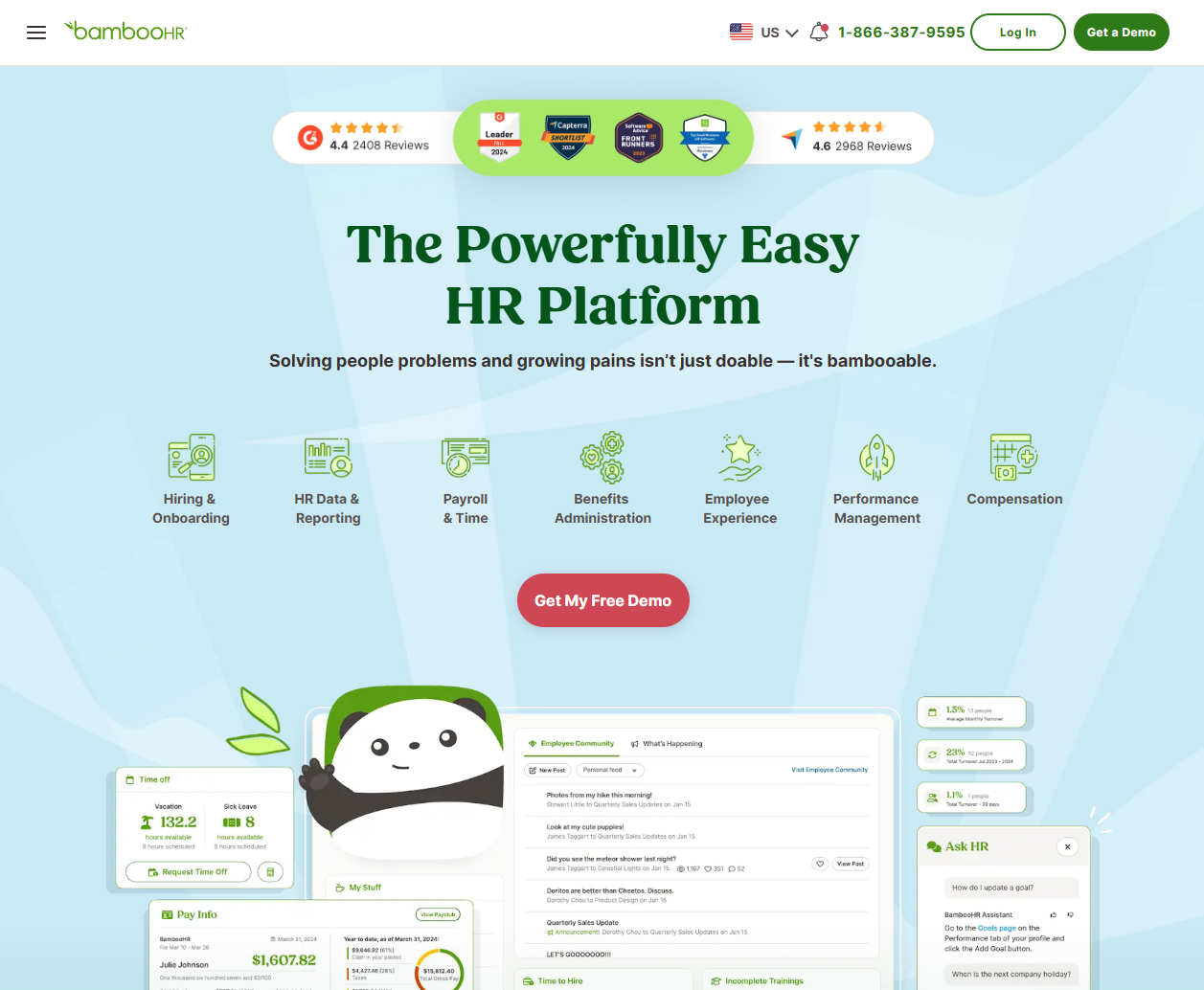
BambooHR is cloud HR software aimed at small and mid-size companies that want to move off spreadsheets. It covers employee records, time off, onboarding, and basic performance. Many teams treat it as their first cloud based HR management software and build other tools around it.
Software Pros:
- Very clean, simple interface
- Strong employee records and time-off tracking
- Good starter workflows for onboarding
Software Cons:
- Payroll not available in every region
- Reporting can feel basic at first
- Add-ons can raise total cost
BambooHR Review:
While reviewing BambooHR, I paid most attention to how quickly a small team could get to a “single source of truth” for people’s data. I like how the system turns scattered forms into clear profiles, with time off and approvals in the same place. In my opinion, it’s a strong option if you want the best cloud HR software that still feels lightweight.
Our Verdict
Clean Core HR For SMBs
Bob (HiBob)
Quick Overview:
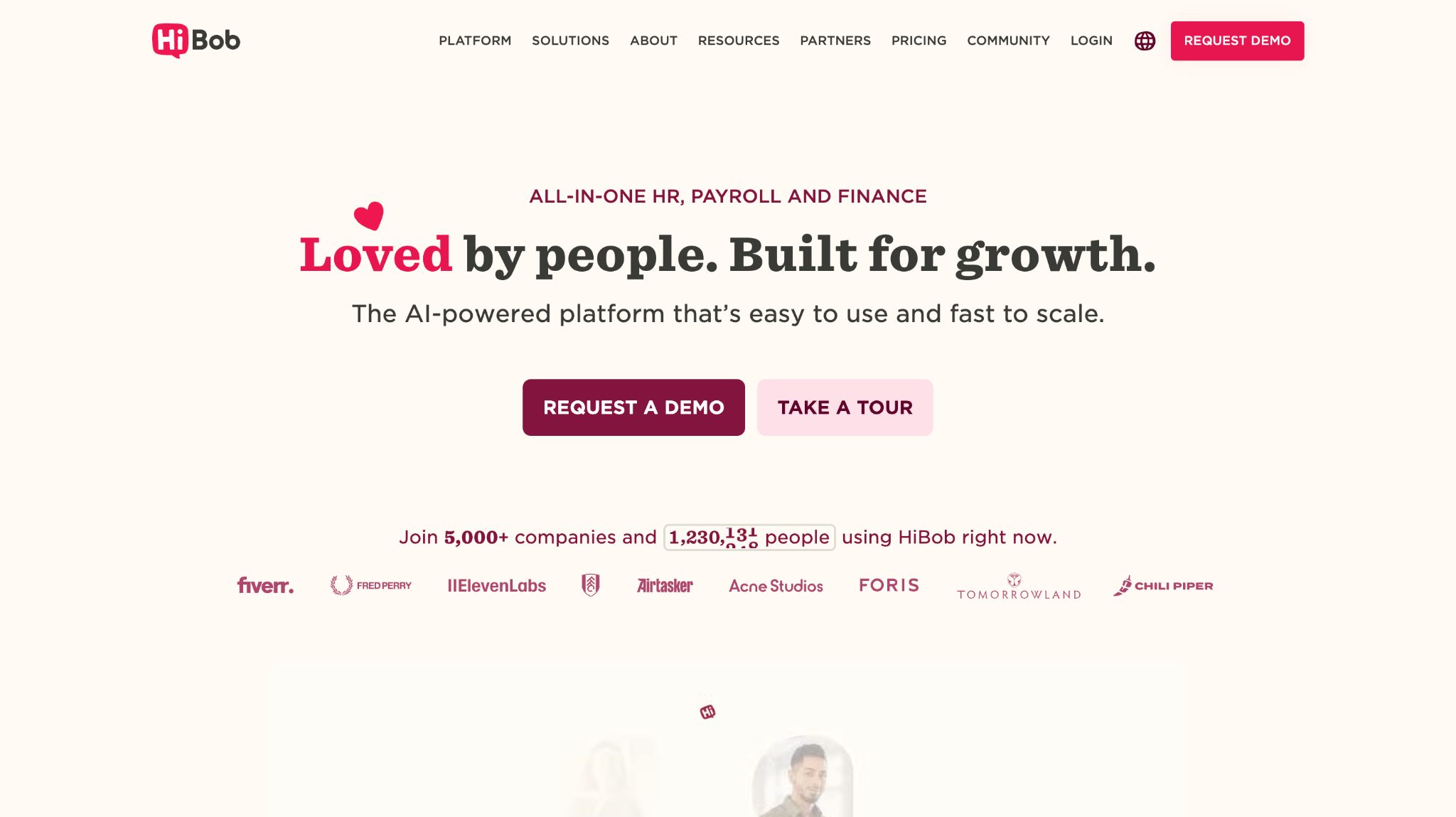
Bob is a people-management platform that goes beyond basic records to focus on engagement, performance, and culture. It runs fully in the cloud and is often used by fast-growing tech and services companies. For teams that want HR plus people programs in one cloud HR software stack, it is a common choice.
Software Pros:
- Strong focus on culture and engagement
- Modern UI that employees tend to like
- Good integrations with other SaaS tools
Software Cons:
- May feel heavy for very small teams
- Pricing best suited to growth companies
- Setup needs clear ownership inside HR
Bob Review:
What stood out to me in Bob is how much of the product is built around day-to-day employee experience, not just forms. I appreciated the way profiles, performance, and engagement data sit together instead of living in separate tools. I’d position this primarily as a cloud HR platform for companies that care as much about culture as they do about admin.
Our Verdict
People-First Cloud HR Platform
Deel HR
Quick Overview:
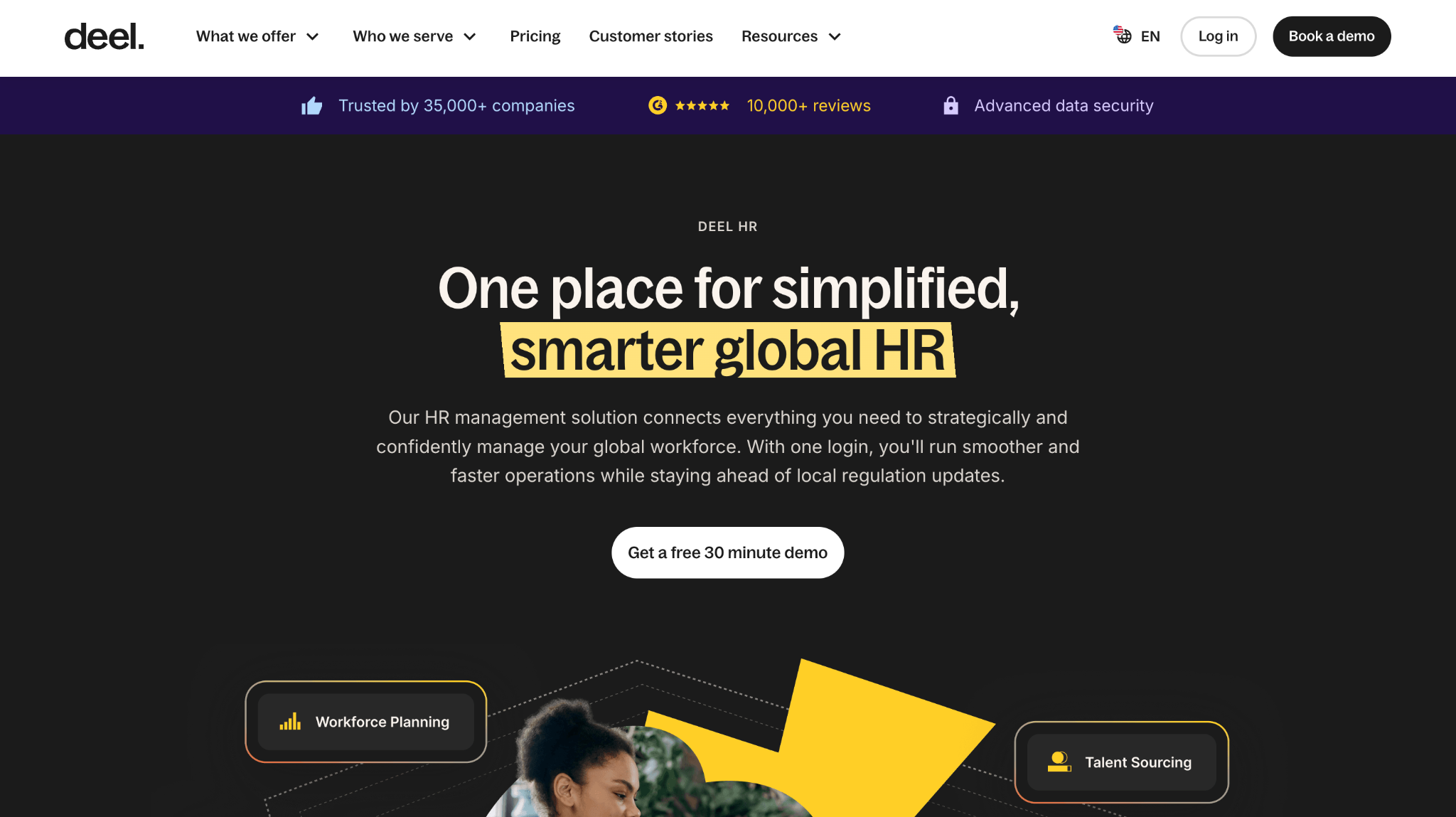
Deel HR is part of Deel’s broader platform for global hiring and payroll. It offers cloud-based HR solutions for managing employees and contractors in many countries, tying HR records to global payroll, EOR, and contractor management. For small teams that hire across borders early, this can replace several separate tools.
Software Pros:
- Strong global hiring and payroll focus
- Central HR records for global teams
- Built-in compliance support for many countries
Software Cons:
- May be more than needed for domestic-only teams
- Features can feel tied to the Deel ecosystem
- Pricing can add up as headcount grows
Deel HR Review:
I was curious to see how Deel HR links everyday HR to global hiring and payments. I like how contracts, compliance status, and HR data show up in one view when you manage people in multiple countries. For small, distributed teams, I tend to view this as a practical cloud HR software for small business that is global from day one.
Our Verdict
Cloud HR For Global SMBs
Factorial
Quick Overview:
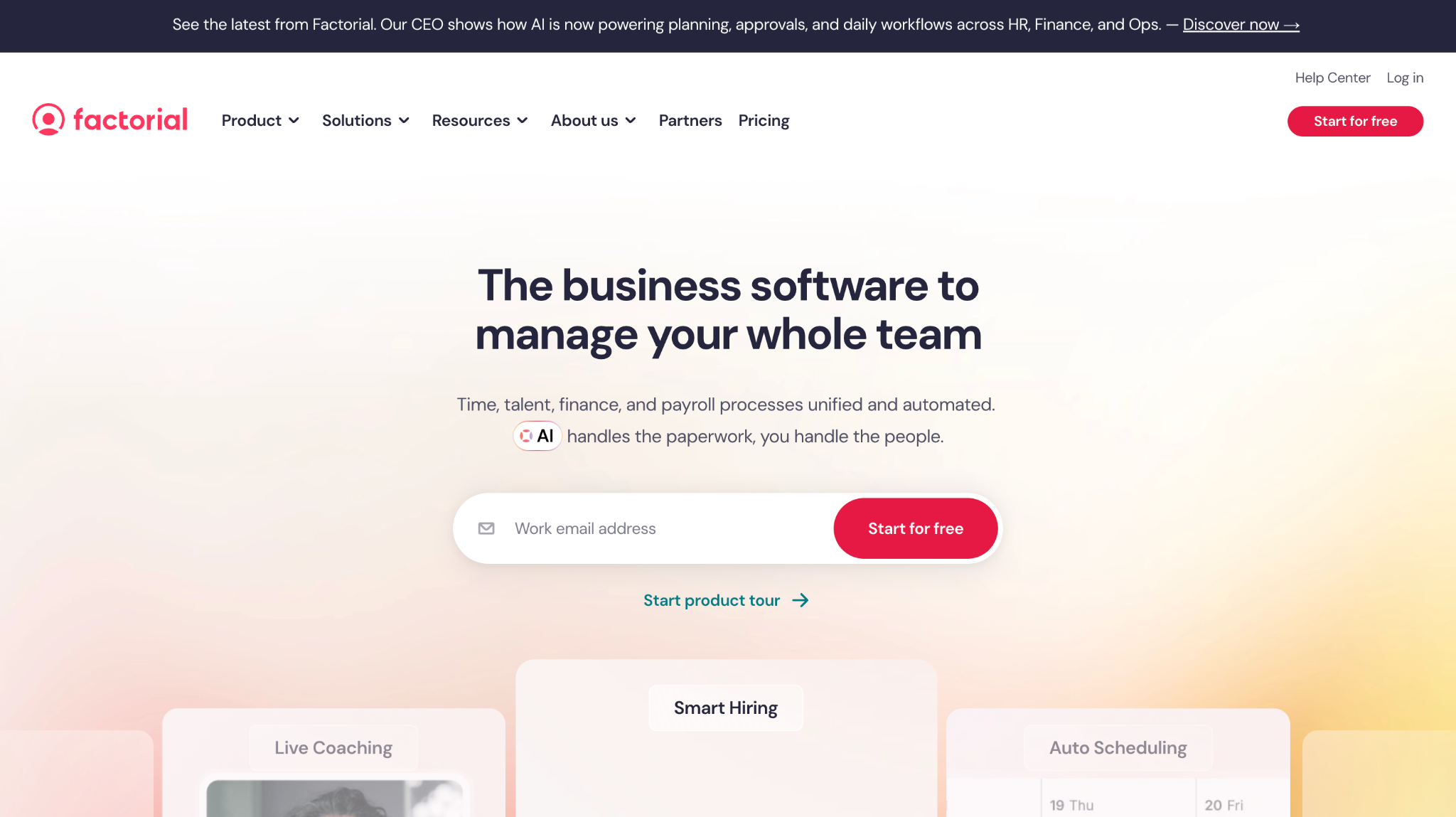
Factorial is a cloud based HR software for small business that bundles HR records, time off, scheduling, and basic document management. It aims at growing companies that want HR structure without enterprise complexity. The product is especially popular with EU-based teams.
Software Pros:
- Easy to start and navigate
- Good mix of HR and scheduling features
- Pricing fits many early-stage companies
Software Cons:
- Some advanced workflows need workarounds
- Reporting is improving but not deep analytics
- Regional payroll support is still expanding
Factorial Review:
I spent some time exploring how Factorial handles everyday tasks like contracts, time off, and approvals. I appreciate that it keeps things simple for managers who do HR as only part of their job. For small and growing teams, it feels like a realistic cloud based HR management software that doesn’t require a full-time HRIS admin.
Our Verdict
Practical HR Hub For Growing Teams
Gusto
Quick Overview:
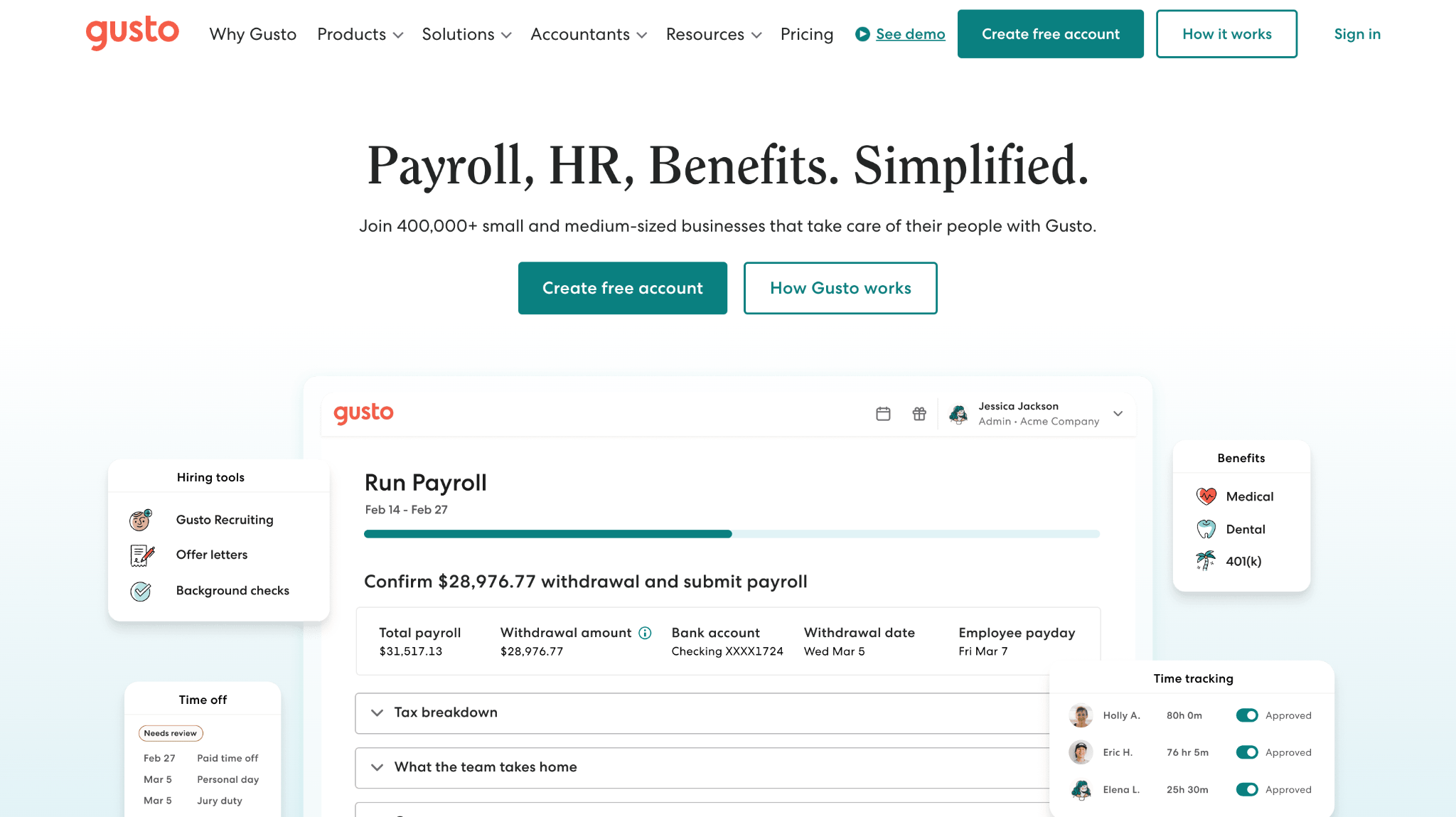
Gusto is best known for payroll, but it also provides cloud based HR tools for onboarding, benefits, and basic employee records. Many small US businesses use it as their first HR and payroll system, especially when moving from spreadsheets and manual pay runs.
Software Pros:
- Strong, user-friendly payroll for US teams
- Onboarding and document e-sign built in
- Simple, guided setup for small owners
Software Cons:
- Mainly focused on US markets
- Limited depth in performance or talent modules
- Not a full HR suite for mid-size needs
Gusto Review:
While reviewing Gusto, I focused on how it helps very small teams move off manual payroll and basic HR paperwork. I like how the product walks new users through hiring and paying people in a clear, step-by-step way. It’s not the most advanced cloud HR software, but for small US businesses it often hits the right balance between features and simplicity.
Our Verdict
Payroll-First HR For Very Small Teams
Humi
Quick Overview:
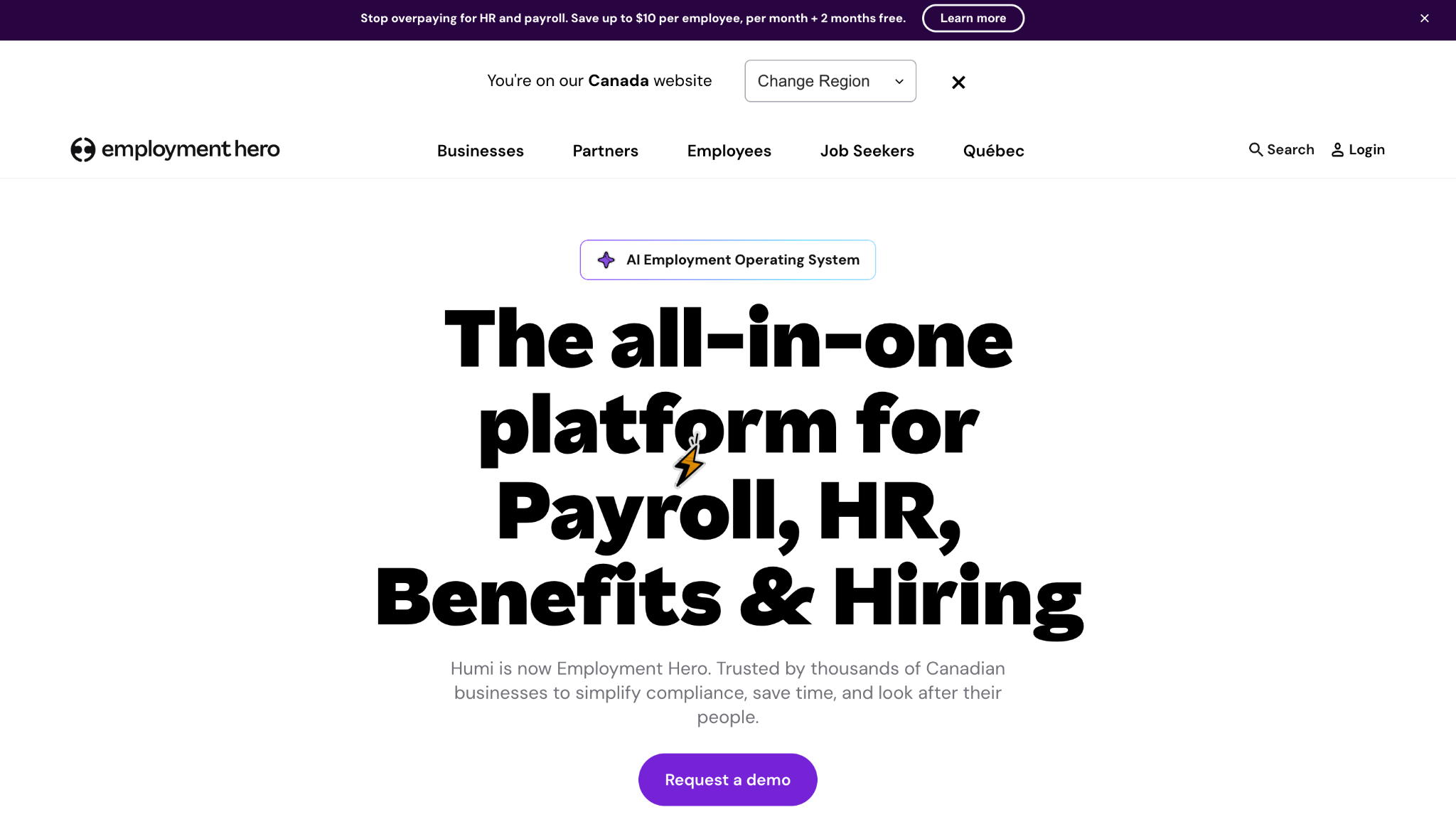
Humi is a cloud HR software option aimed largely at Canadian small and mid-size businesses. It covers HR records, time off, performance, and benefits, with payroll in selected regions. Many teams use it as a local alternative to US-centric tools.
Software Pros:
- Localized for Canadian market needs
- All-in-one HR, time off, and performance
- Simple interface for small HR teams
Software Cons:
- Limited reach outside main supported regions
- Fewer integrations than some global competitors
- Reporting is more operational than strategic
Humi Review:
In my opinion, Humi works best for companies that want one cloud based HR tool that speaks their local language, rules, and payroll norms. I like that it brings HR, benefits, and performance into one view without feeling too heavy. For smaller Canadian companies, it’s a credible “home-grown” alternative to bigger global suites.
Our Verdict
Local Cloud HR For Canadian SMBs
Justworks
Quick Overview:
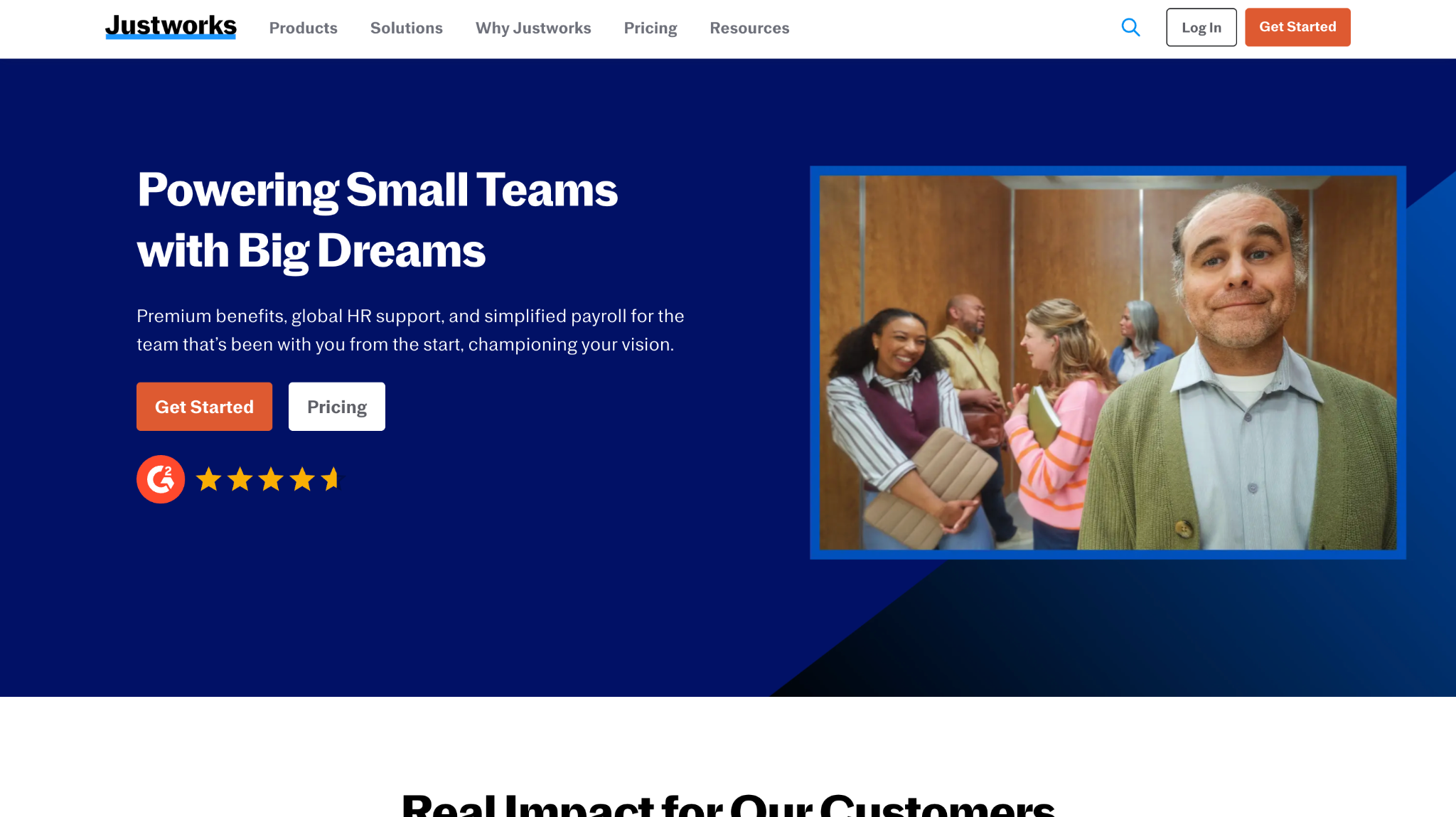
Justworks is a PEO and cloud-based HR software platform that combines payroll, benefits, and compliance for US companies. It is popular with startups that want to outsource some HR and compliance tasks rather than build an internal team right away.
Software Pros:
- Bundled HR, payroll, and benefits in one place
- Strong compliance and PEO support for US firms
- Simple interface and clear pricing tiers
Software Cons:
- Mainly US-focused offering
- Less flexible if you want to manage everything in-house
- May be overkill for very small or low-benefit teams
Justworks Review:
What I noticed fairly quickly with Justworks is how much it leans into compliance and benefits, not just data storage. I appreciate that small founders can get a “big company” benefits setup without stitching together multiple providers. I’d position it primarily as a cloud-based HR solution for US startups that want to buy peace of mind.
Our Verdict
PEO-Led HR For Startups
Namely
Quick Overview:
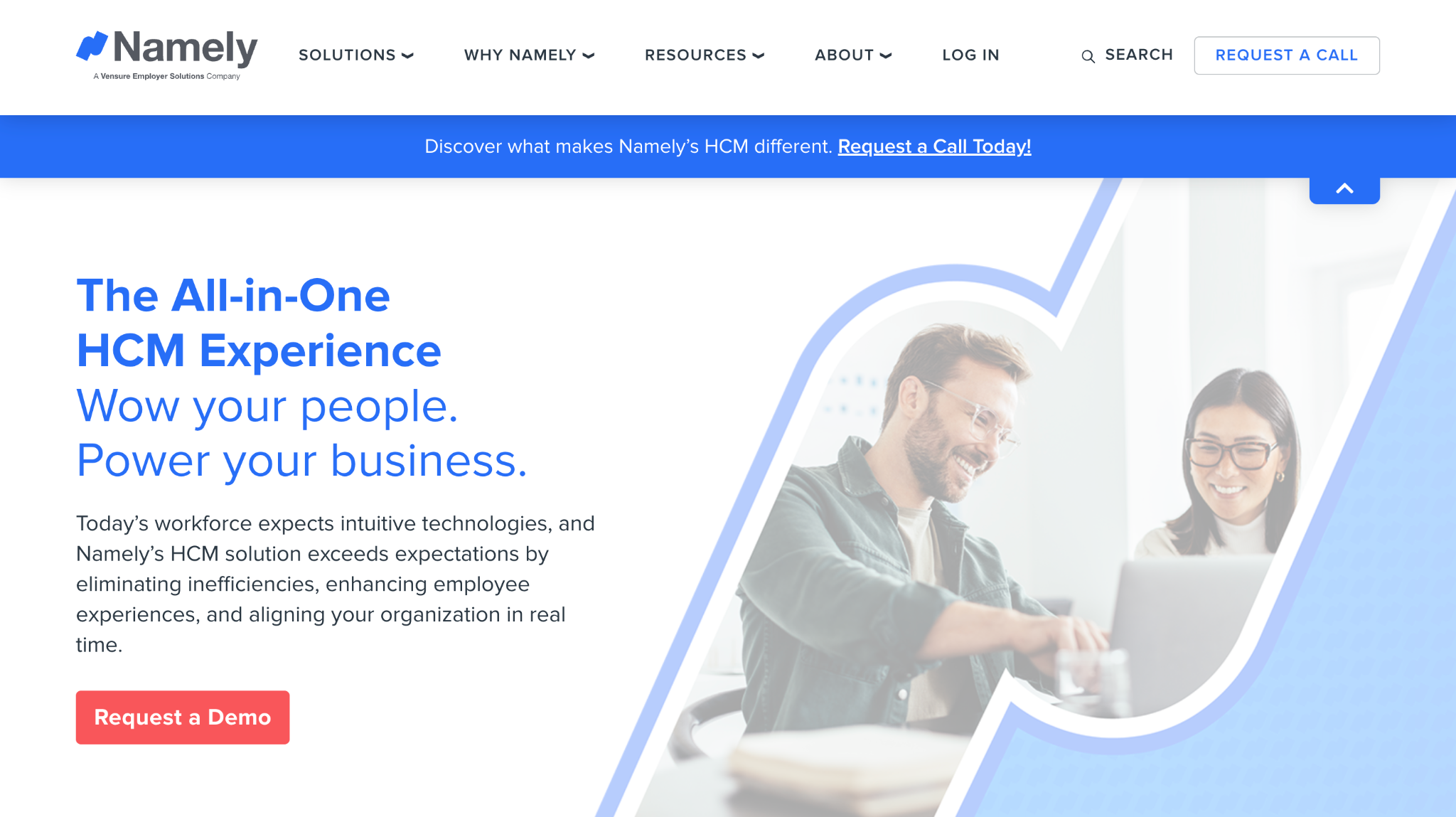
Namely is cloud based HR software focused on mid-size companies that have outgrown micro-SMB tools but don’t need full enterprise suites. It combines HR, payroll, and benefits with a familiar social-style interface.
Software Pros:
- Good fit for mid-size teams (not too small, not too big)
- HR, payroll, and benefits in one system
- Employee self-service helps reduce admin
Software Cons:
- Can be more than small startups need
- Implementation still requires planning and time
- Some advanced features locked behind higher tiers
Namely Review:
I usually pay attention to how a system scales from 50 to a few hundred employees, and Namely is designed for that range. I like how HR, payroll, and benefits line up in a way that keeps employees in one environment. For growing companies, this can be one of the best cloud-based HR management platform that feels like a step up without jumping to full enterprise HCM.
Our Verdict
Mid-Market HR Suite In The Cloud
Paychex Flex
Quick Overview:
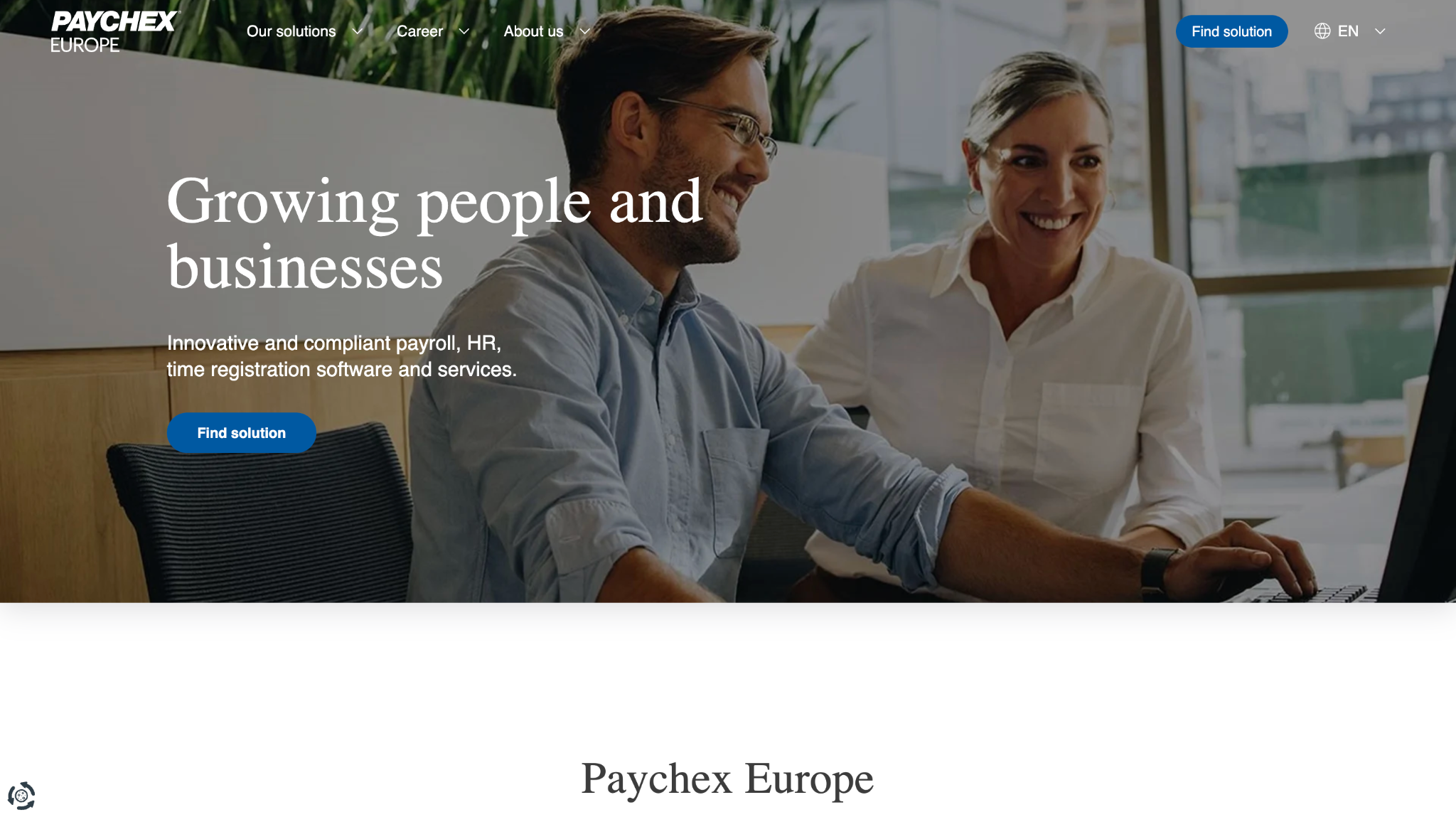
Paychex Flex is a long-standing payroll and cloud-based HR software platform aimed mainly at US businesses. It offers HR, payroll, benefits, and time tracking in one system, with services layered on top as needed.
Software Pros:
- Strong track record and brand in payroll
- Broad mix of HR and time features
- Service options for teams that want extra help
Software Cons:
- Interface can feel less modern than newer tools
- Smaller teams may not use every module
- International coverage is limited
Paychex Flex Review:
While exploring this tool, I looked at how it supports small teams that have to meet strict payroll and compliance demands. I like that there is a clear path from simple use to more advanced services as needs grow. For many US small businesses, Paychex remains a practical cloud based HR software for small business that can grow with them.
Our Verdict
Established HR And Payroll Partner
Paycor
Quick Overview:
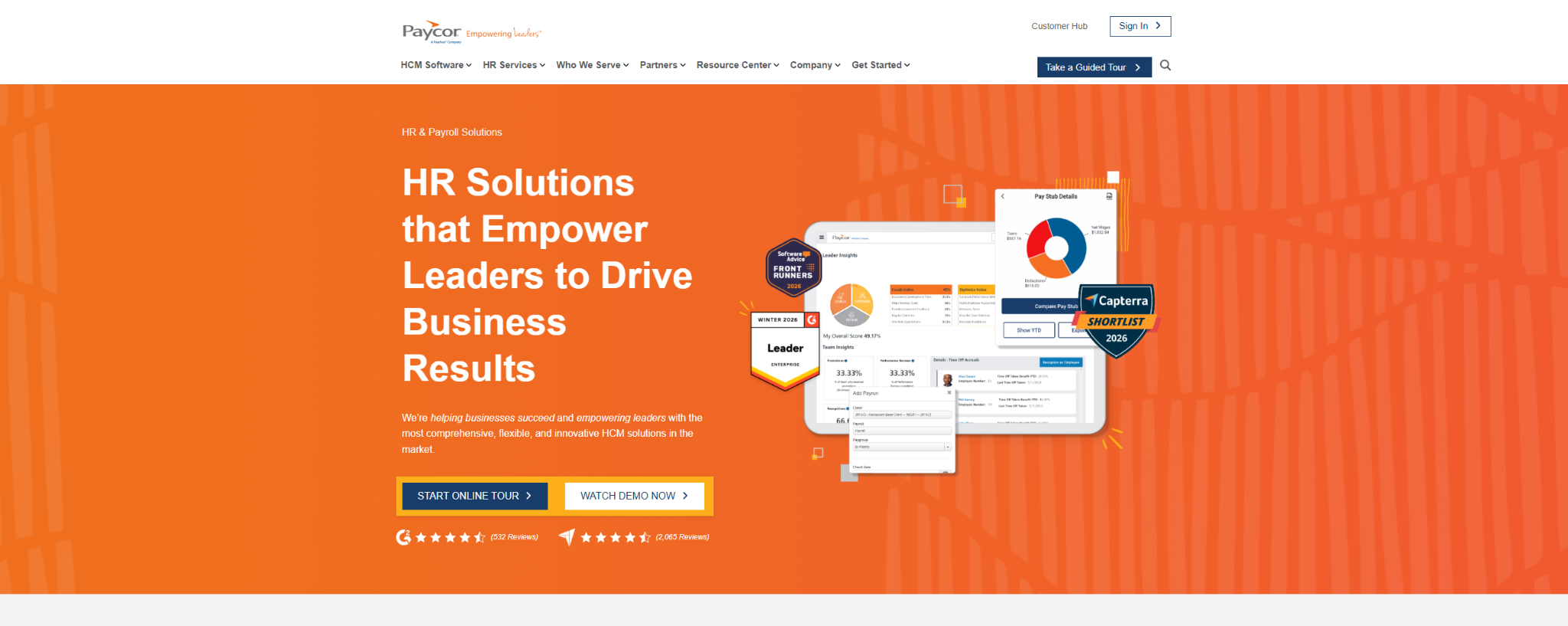
Paycor is cloud HR software that combines HR, payroll, time, and talent tools for small and mid-size US companies. It targets HR leaders who want one system for the full employee lifecycle.
Software Pros:
- All-in-one HR, time, and payroll suite
- Solid compliance and reporting features
- Configurable workflows for approvals
Software Cons:
- Best fit for US-centric organizations
- Setup needs clear ownership and timeline
- Interface can feel busy in some modules
Paycor Review:
I found it genuinely helpful when I looked at how Paycor brings time, pay, and HR into one set of reports. I appreciate that HR teams get more visibility into costs and headcount trends without exporting everything to spreadsheets. For many small and mid-size teams, this makes it a realistic contender among top cloud-based HR software for SMBs.
Our Verdict
Connected HR, Time, And Payroll
Paylocity
Quick Overview:
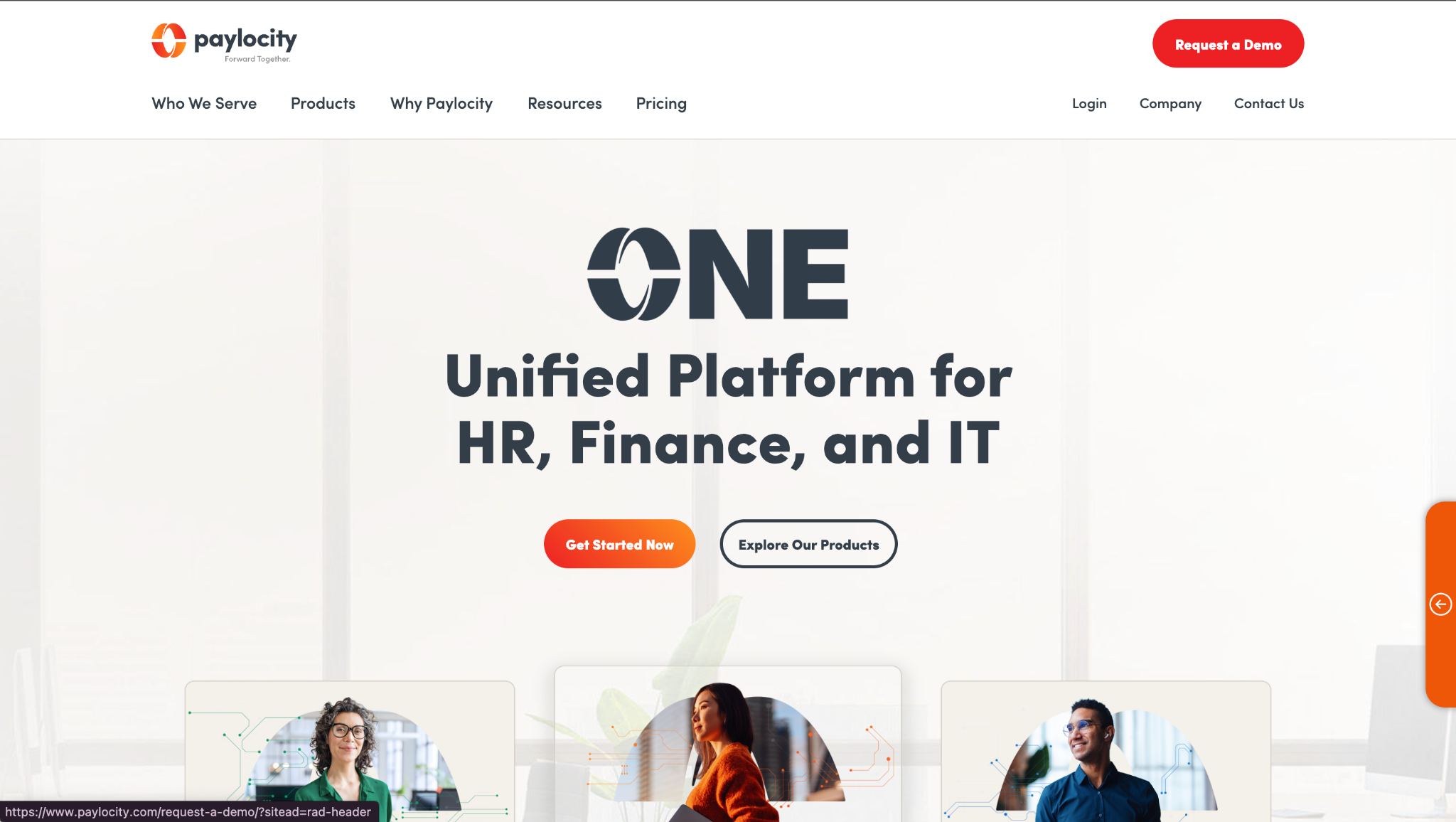
Paylocity is a cloud-based HR solution that blends payroll, HR, time, and employee engagement for US companies. It leans into both compliance and communication, with tools like feeds and surveys.
Software Pros:
- Strong payroll and tax support
- Built-in engagement and communication tools
- Good reporting for HR and finance
Software Cons:
- Primarily focused on US market
- Some features can feel complex to configure
- May be more than tiny teams need
Paylocity Review:
As I went through Paylocity, I liked the mix of classic HR tasks with modern communication features. It’s useful when HR wants to be more than admin and act as a hub for updates and engagement. I tend to view this as one of the best cloud-based HR software tools for US teams that want HR and communication in one place.
Our Verdict
HR, Payroll, And Engagement Combined
Personio
Quick Overview:
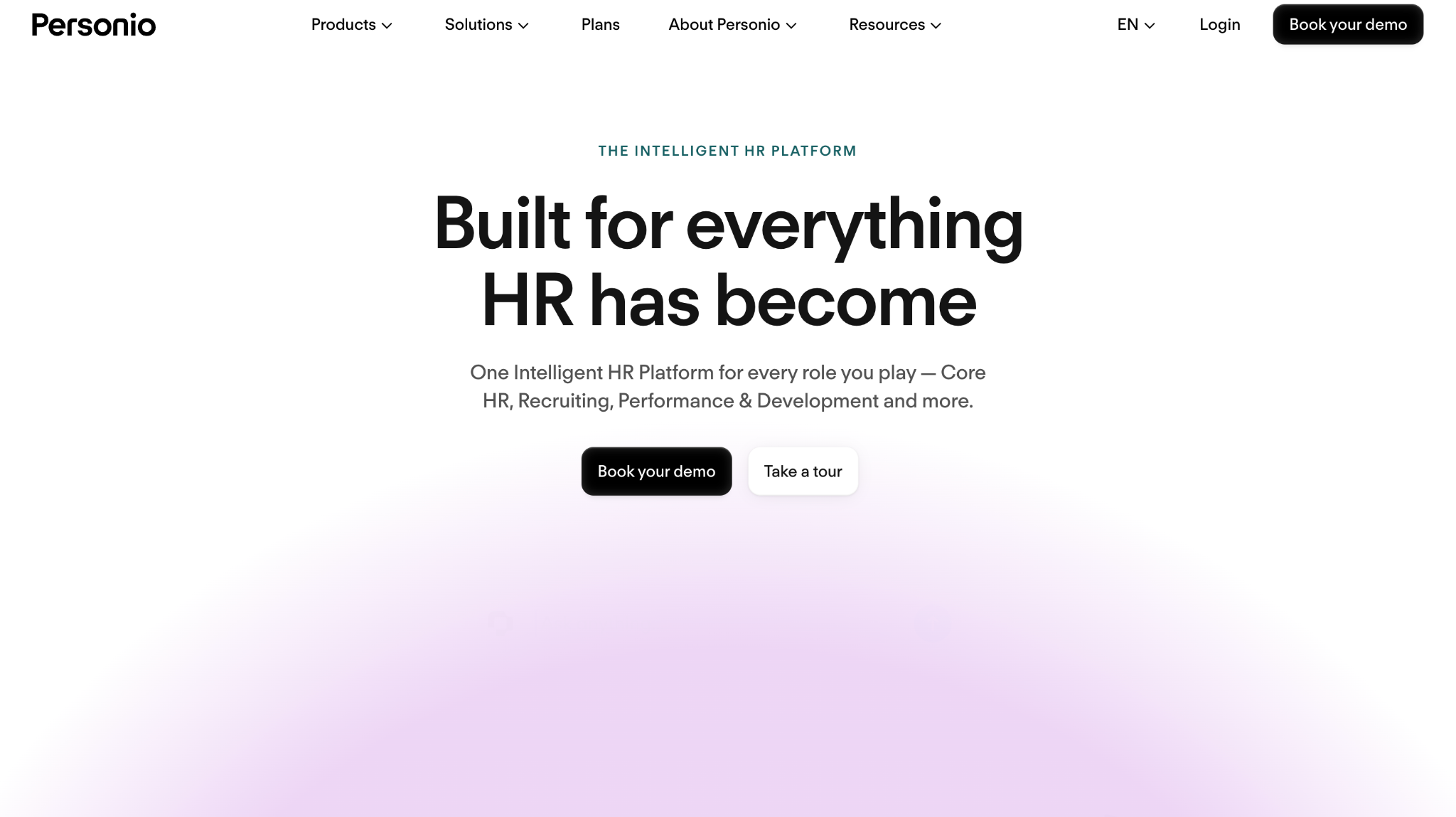
Personio is a European cloud HR software platform built for small and mid-size organizations. It covers recruiting, HR, payroll (in some markets), and time off in one system.
Software Pros:
- Strong focus on European SMB compliance
- Recruiting and HR in one platform
- Clear workflows for approvals and documentation
Software Cons:
- Payroll support depends on country
- Interface can feel dense in some areas
- Less known outside Europe
Personio Review:
What stood out to me in Personio is how it handles local rules and processes for European markets. I like that smaller HR teams get templates and workflows that match their regulatory context. For EU-based companies, it’s one of the best cloud-based HR management platforms that doesn’t feel like an enterprise product shoved downmarket.
Our Verdict
European Cloud HR For SMBs
Rippling
Quick Overview:
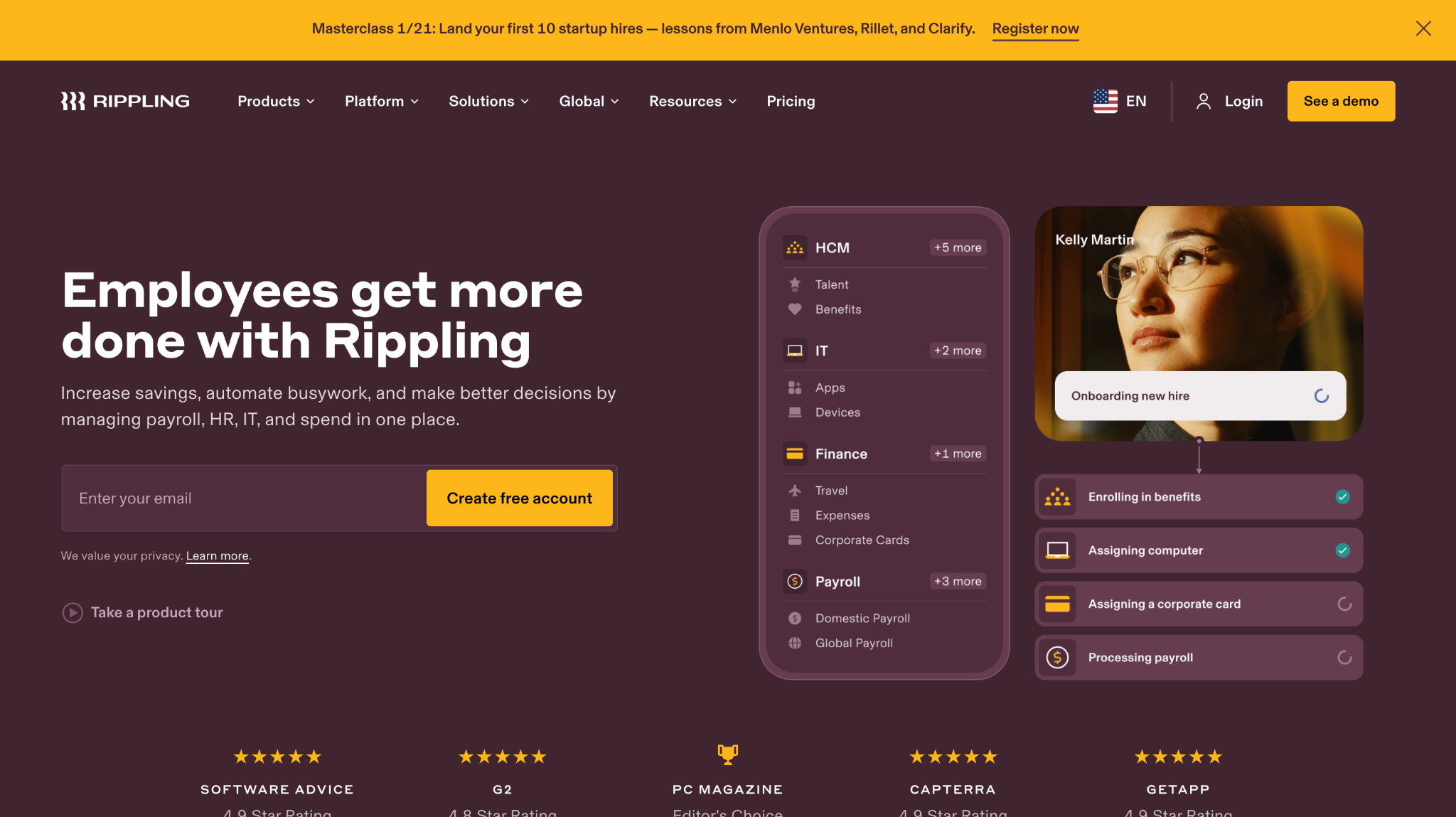
Rippling is a combined cloud-based HR software for growing companies and IT management platform. It centralizes HR, payroll, devices, and apps so small teams can manage people and their tools in one place.
Software Pros:
- HR, payroll, and IT provisioning in a single system
- Strong automation across employee lifecycle
- Good support for global hiring and entities
Software Cons:
- Can feel complex if you only need basic HR
- Pricing structure can be confusing at first
- Works best if you adopt several modules
Rippling Review:
I found the approach interesting because Rippling doesn’t separate HR data from the tools employees use every day. I appreciate how onboarding, device setup, and app access can be automated from one central record. For tech-heavy startups, it often sits near the top of best cloud-based HR software shortlists.
Our Verdict
Automation-Heavy HR And IT Platform
Sage HR
Quick Overview:
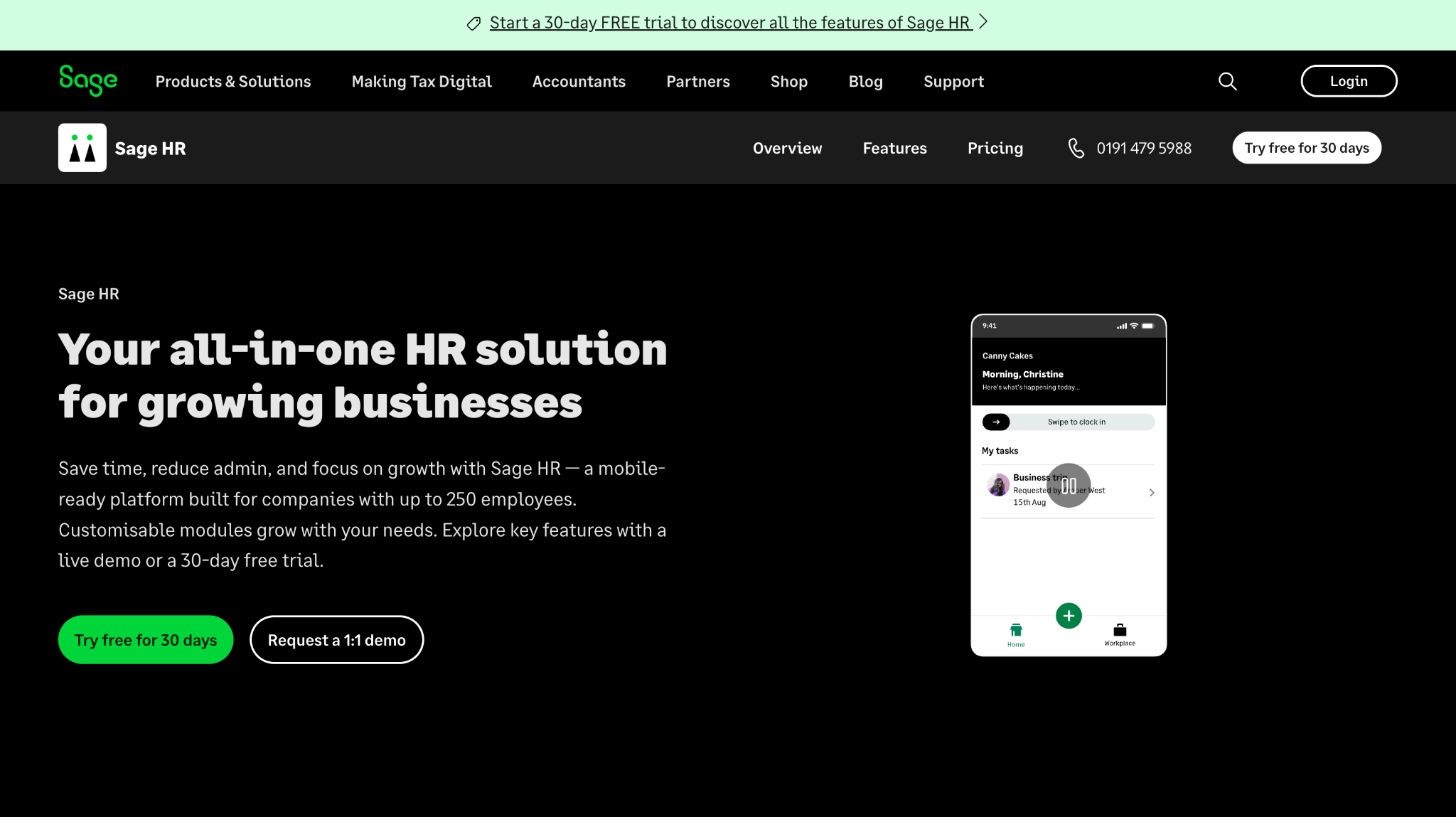
Sage HR is cloud HR software for small business that focuses on core HR, time off, shift scheduling, and performance. It is often used by companies that already rely on Sage for finance and want HR tools from the same vendor.
Software Pros:
- Simple HR and time-off features
- Scheduling and performance in one product
- Integration options with Sage accounting
Software Cons:
- Interface not as modern as some newer tools
- Some advanced features require add-ons
- Best fit for existing Sage customers
Sage HR Review:
I like how Sage HR gives small teams a single place to manage people data, shifts, and time off without a long implementation. It fits naturally into setups where Sage is already part of the finance stack. For those businesses, it’s a sensible cloud HR solution rather than bringing in a completely separate vendor.
Our Verdict
Straightforward HR For Sage Users
TriNet Zenefits
Quick Overview:
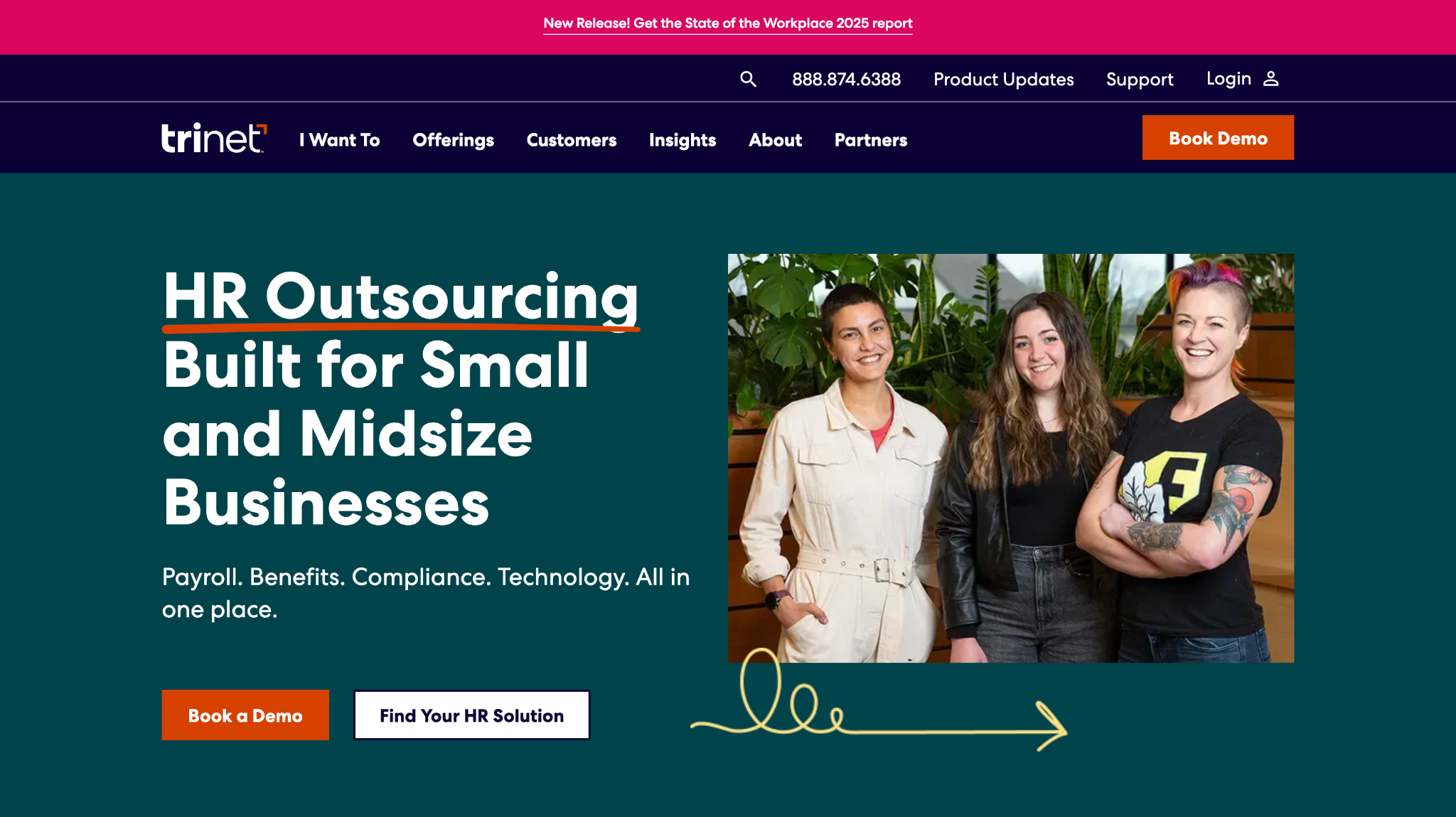
TriNet Zenefits is a cloud-based HR solution blending HR, benefits, time, and payroll for small businesses. It is known for its benefits marketplace and self-service tools.
Software Pros:
- Benefits, HR, and time tracking in one system
- Employee self-service reduces admin work
- Strong focus on small business needs
Software Cons:
- Mainly US-focused benefits offering
- Takes some time to configure rules correctly
- Support quality can vary by plan
TriNet Zenefits Review:
While exploring this tool, I paid attention to how easily employees can handle their own tasks, from benefits enrollment to time off. I like that HR can step back from small requests and focus on higher-level work. For small teams that want to modernize quickly, it often shows up among best cloud-based HR solutions with benefits built in.
Our Verdict
Benefits-Centric Cloud HR For SMBs
UKG Ready
Quick Overview:
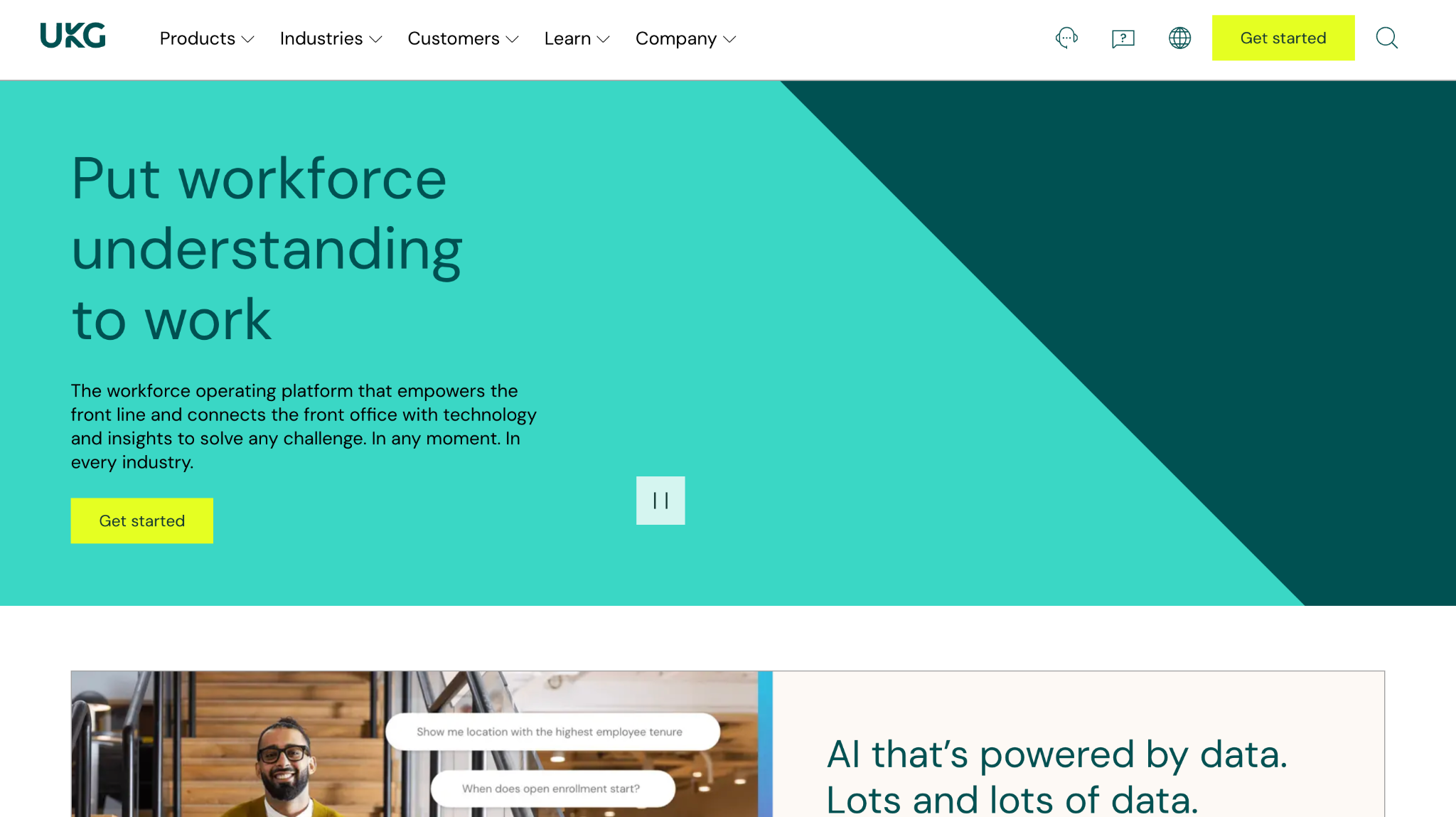
UKG Ready is part of the UKG family and serves as a cloud based HR software suite for small and mid-size organizations. It combines HR, time, and payroll features, with a strong workforce management background.
Software Pros:
- Unified HR, time, and payroll in one platform
- Powerful scheduling and attendance options
- Configurable workflows, especially for hourly teams
Software Cons:
- Implementation can feel heavy for very small companies
- Interface has a learning curve
- Best value when most modules are in use
UKG Ready Review:
I appreciated the way UKG Ready connects schedules, time data, and HR records. It makes sense for organizations where time and attendance are core to daily operations. I’d position this as one of the best cloud-based HR software systems for teams that grew up on manual time tracking and now need something more structured.
Our Verdict
Workforce-Focused HR Cloud Suite
Zoho People
Quick Overview:
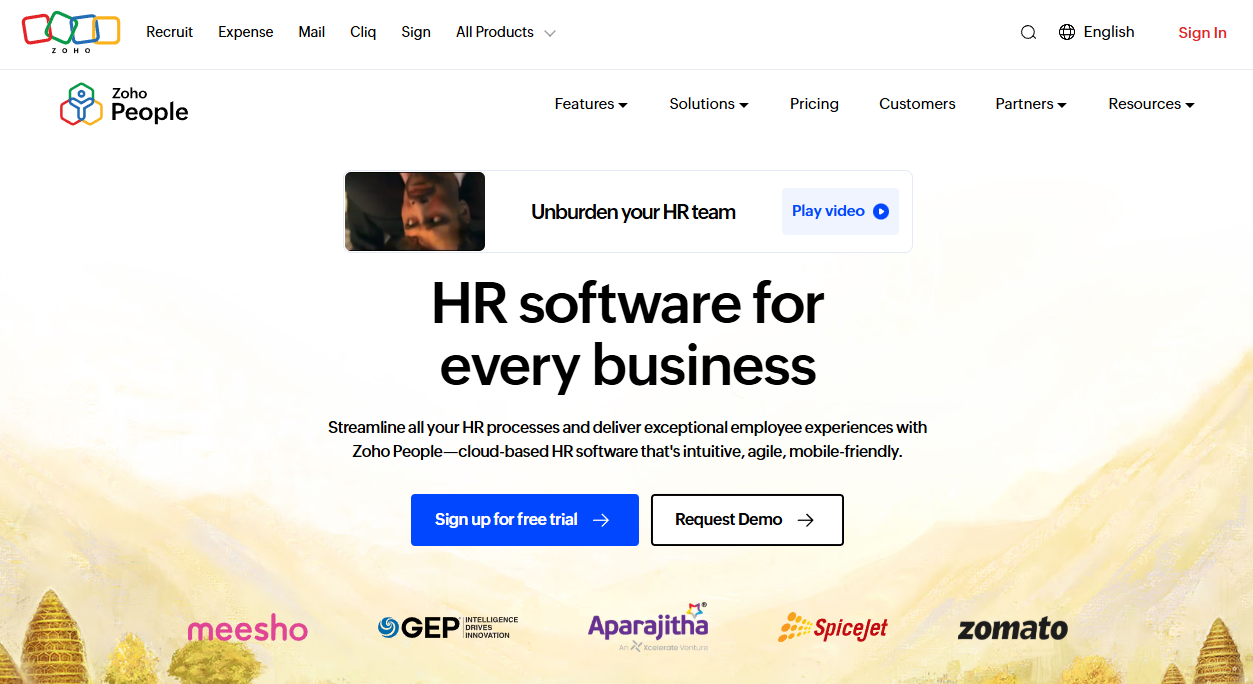
Zoho People is part of the broader Zoho suite and offers cloud HR tools for time off, attendance, performance, and core HR. It is often used by small and mid-size teams that already rely on Zoho for CRM or other apps.
Software Pros:
- Attractive pricing for small businesses
- Flexible modules that you can turn on as needed
- Integrates with other Zoho apps and external tools
Software Cons:
- Interface can feel busy in some views
- Setup options may overwhelm new users
- Support experience can vary by region
Zoho People Review:
I found it easy to see why Zoho People appeals to small teams that like modular tools. I appreciate that you can start with just HR basics and then add performance or time tracking as needed. For price-conscious buyers, it often ranks high on best cloud HR software lists thanks to its flexibility and cost.
Our Verdict
Flexible, Budget-Friendly HR Cloud
FAQs About Best Cloud-Based HR Platforms
How does cloud HR software benefit small businesses?
Cloud HR software helps small businesses move away from manual spreadsheets and paper files. It centralizes employee data, time off, documents, and basic workflows in one place, which cuts admin time and reduces errors. Because these are best cloud-based HR platforms, teams can access them from anywhere, which is helpful when owners and managers are often away from the office.
What HR functions are typically included in cloud HR software?
Most cloud based HR software covers employee records, time off, basic document storage, and simple workflows like approvals. Many tools also add onboarding, e-signatures, performance reviews, and links to payroll. As a result, they are often used as HR cloud solutions that sit at the center of hiring, onboarding, and everyday employee management.
How is cloud HR software different from on-premise HR systems?
On-premise systems run on servers you own and manage, while cloud-based HR solutions are hosted by the vendor and accessed through a browser or app. For small businesses, cloud HR usually means lower upfront cost, faster updates, and less IT work. It also pairs more easily with other cloud tools such as HR case management tools.
Is cloud HR software affordable for small businesses?
Yes, many cloud HR software for small business products offer tiered pricing, per-employee plans, or even starter tiers. Costs can still add up if you add payroll, benefits, and advanced modules, so it’s important to test what you really need. Recent SMB software market data shows strong growth in cloud tools, which suggests vendors are competing hard for small business budgets.
What features should small businesses look for in cloud HR software in 2026?
In 2026, I’d look first at clean employee records, time-off tracking, simple onboarding flows, and strong reporting. From there, it helps if the platform offers integrations, role-based permissions, and basic compliance helpers like document checklists. For many teams, the best cloud-based HR solutions are the ones that can grow into performance, learning, or case management later, instead of forcing an early move to a new system.

Yaryna is our lead writer with over 8 years of experience in crafting clear, compelling, and insightful content. Specializing in global employment and EOR solutions, she simplifies complex concepts to help businesses expand their remote teams with confidence. With a strong background working alongside diverse product and software teams, Yaryna brings a tech-savvy perspective to her writing, delivering both in-depth analysis and valuable insights.